Search This Blog

Wednesday, 26 February 2014

A Request for Hep C Epidemiologists to Pay More Attention to Linoleic Acid Intakes

Some time ago I came across this interesting paper

Because it seemed to beg the important question of linoleate intake, while addressing both fructose intake and insulin resistance, I took the (for me) relatively unusual step of contacting the corresponding author. I never received a response, but because my email summarised my view of the role of linoleate in chronic Hepatitis C infection (CHC) I have decided to reproduce it here.

Dear Dr Petta,

I am an independent Hepatitis C researcher looking at the relationship between HCV and diet, and I was interested by this paper which you authored.

There is much of interest in the paper and I just want to single out one aspect, typified by this line from a reference paper:
Low cholesterol (OR 0.988, 95%CI 0.975–0.999,P = 0.04) was independently linked to severe fibrosis, and high LDL was the only independent positive predictors of both RVR and SVR (OR 1.036; 95%CI 1.017–1.055; < 0.001; and OR 1.016; 95%CI 1.001–1.031; = 0.04 respectively). 
Although these do not seem very large OR differentials (as presented in this example), the finding is often replicated (the ORs will vary depending how "high" and "low" LDL are defined).

Your paper cites one possible mechanism "These aspects have been related, on one hand, to a competition for LDL receptor sites which prevents viral entry into hepatocytes and thus to an increased exposure of HCV to the host serum immune response".

It seems to me that LDL-R numbers, given their role in HCV life cycle, are something that it would be worthwhile for people with CHC to mimimize, and that this is easily possible through diet.

I notice the correlation between fibrosis and fructose consumption, but I feel that if one looked for a correlation between linoleic acid intake and HCV pathology, this would be stronger. I am aware of one study where high polyunsaturated fat intake correlated with steatosis (OR 2.7), while saturated fat was neutral and MUFA was protective. This study did not distinguish between linoleate and other PUFA (ALA, EPA, DHA and arachidonic acid). I believe that if this distinction had been made, linoleate would have shown an even stronger correlation with pathology. 

There are a number of reasons why this should be the case.

Firstly, increased expression of LDL-R increasing viral opportunity to infect HCV-naive cells.

Secondly, steatosis-promoting effect of linoleate. The animal model of NAFLD uses high-linoleate diets and fails to produce steatosis when fats such as butter or coconut oil are fed. NAFLD has become a much more common disease since high-linoleate oils have replaced tallow in deep frying, and linoleate-based spreads have replaced butter.
http://www.ncbi.nlm.nih.gov/pmc/articles/PMC1805500/

Thirdly, the heating of polyunsaturated oils produces peroxides which directly promote liver inflammation.
http://journal-of-hepatology.eu/article/PIIS0168827813002808/abstract

Fourthly, in animal models alcoholic liver disease can only be produced when high-PUFA oils or fats are added to the diet, and it is prevented when beef fat, coconut oil etc are fed concurrently with alcohol.
http://download.journals.elsevierhealth.com/pdfs/journals/0016-5085/PII0016508595903542.pdf

Fifthly, linoleate increases both hepatic uptake of cholesterol and its synthesis, and high intakes result in elevations of hepatic free cholesterol and non-esterified fatty acids.

http://www.jlr.org/content/31/8/1413.full.pdf
http://suppversity.blogspot.co.nz/2013/08/high-fish-soy-lard-low-fat-diets-how-do.html

Because EPA, DHA and arachidonic acid all suppress HCV replication and can substitute for dietary linoleic acid in much smaller amounts, it is relatively easy to compose a nutritious diet which is low in linoleate. Many diets today are deliberately designed to minimize this problematic, and currently over-supplied, nutrient, especially diets of the "Paleo" type, such as the "Perfect Health Diet". These diets, which also minimize fructose and high-GI carbohydrates, are often higher in dietary cholesterol than might be considered optimal for someone with CHC, but this could easily be adjusted (or one could supplement with taurine).

My own health has improved since I stopped using rice bran oil and other cooking and salad oils and started cooking with dripping (tallow) and adding butter and olive oil as a seasoning.(*)
I write about these ideas on my blog, discussing a low-carb, paleo approach to Hep C: http://hopefulgeranium.blogspot.co.nz/
In any case, the point of this email is to raise the issue of linoleate from vegetable salad and cooking oils (and also pork and chicken fat) as a worthwhile nutrient to be considered in analysis of CHC and diet, and distinguished from other PUFAs such as omega 3 from plants and fish.

Thanking you,
George D. Henderson  
Huia New Zealand
puddleg@gmail.com      

(* one way in which my health improved after this switch was instructive; being on drugs at the time, I often used to burn myself on the stove, with blisters an inevitable consequence. After increasing saturation of dietary fats, any encounters with hot elements now result instead in patches of dead skin, which quickly clear, and not the classic deep blister.)

Since then, another link between linoleic acid and CHC has turned up; the role of cannabinoid receptors, the natural ligand for which is anandamide (an endogenous cannabinoid derived from omega 6 fatty acids).


The endocannabinoid system (ECS) includes cannabinoid (CB1 and CB2) receptors and their endogenous ligands (i.e., the endocannabinoids anandamide and 2-arachydonylglycerol) as well as proteins involved in endocannabinoids biosynthesis and degradation (). The ECS is present in the liver and undergoes adaptive changes in response to noxious stimuli. Endocannabinoids as well as CB1 and CB2 receptors (which are, respectively, either faintly or not expressed in normal livers) are up-regulated in experimental liver injury and liver cirrhosis of various etiologies. In vivo, CB1 receptor activation promotes fat accumulation, triggers inflammation in nonalcoholic and alcoholic fatty liver diseases, contributes to the progression of chronic hepatitis to cirrhosis by stimulating fibrogenesis, and is also implicated in hemodynamic and neurological consequences associated with liver cirrhosis, including portal hypertension, encephalopathy, and cardiomyopathy (). Conversely, activation of CB2receptors exerts antifibrogenic and antiinflammatory effects in experimental models of liver disease (). These pharmacological effects make CB2 agonists and CB1 antagonists promising candidates for the treatment of fibrosis in chronic liver pathologies. By disclosing a prominent CB1-mediated role of anandamide in the early phase of liver regeneration, Mukhopadhyay et al. () provide additional and significant support to the prominent role of the ECS in liver biology in an article in PNAS. 

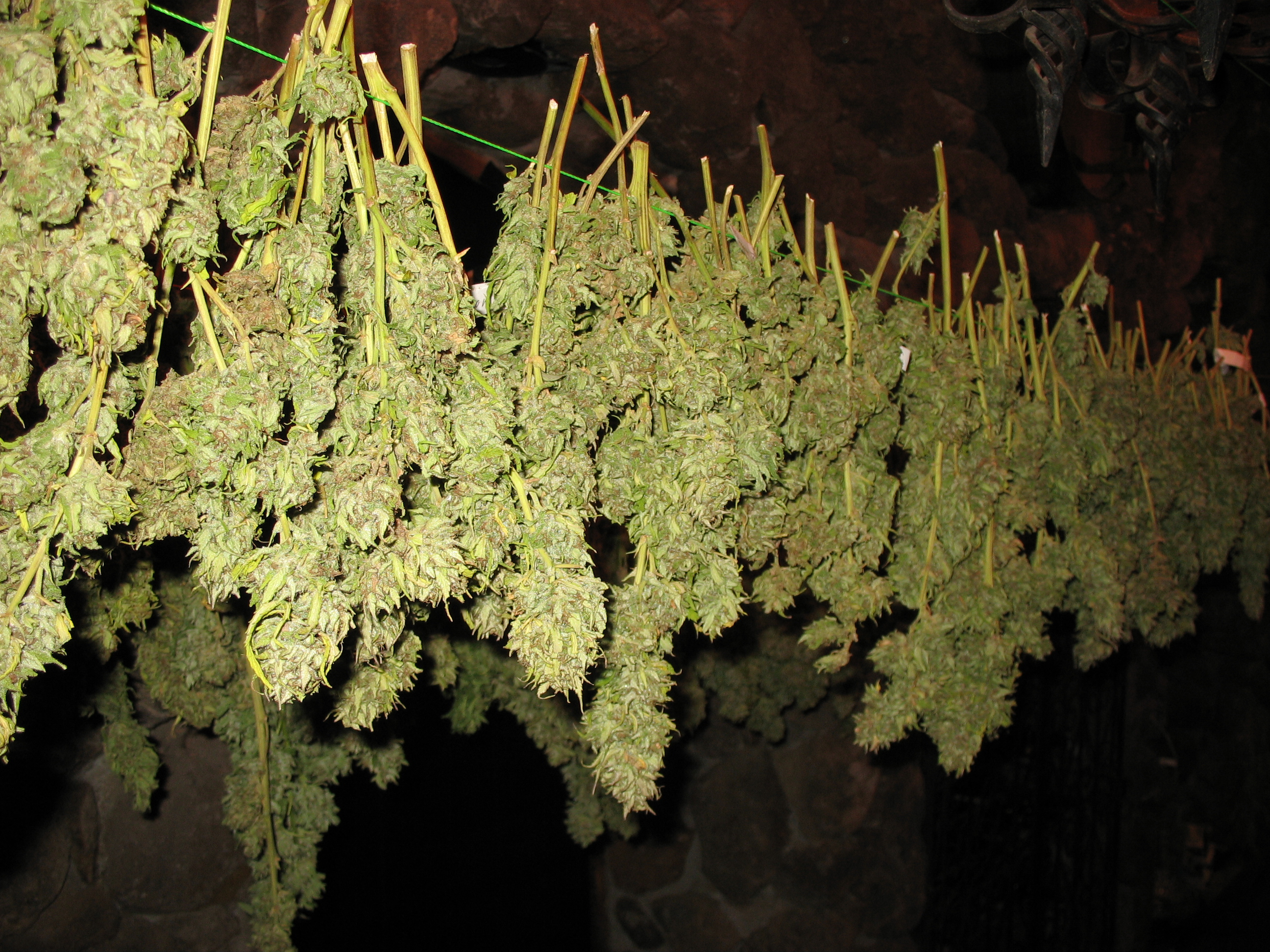
This makes heavy (daily) pot smoking dangerous in presence of liver injury                 

Cannabinoids present in Cannabis sativa (marijuana) exert biological effects via cannabinoid receptors CB1 and CB2. We recently demonstrated that CB1 and CB2 receptors regulate progression of experimental liver fibrosis. We therefore investigated the impact of cannabis smoking on fibrosis progression rate in patients with chronic hepatitis C (CHC). Two hundred seventy consecutive untreated patients with CHC of known duration undergoing liver biopsy were studied. Demographic, epidemiological, metabolic, and virological data were recorded, and detailed histories of cannabis, alcohol, and tobacco use over the span of hepatitis C virus infection were obtained. Fibrosis stage, steatosis, and activity grades were scored according to Metavir system. Patients were categorized as noncannabis users (52.2%), occasional users (14.8%), or daily users (33.0%), and the relationship between cannabis use and fibrosis progression rate (FPR) or fibrosis stage was assessed. On multivariate analysis, six factors were independently related to a FPR greater than 0.074 (median value of the cohort): daily cannabis use (OR = 3.4 [1.5-7.4]), Metavir activity grade A2 or higher (OR = 5.4 [2.9-10.3]), age at contamination of more than 40 years (OR = 10.5 [3.0-37.1]), genotype 3 (OR = 3.4 [1.5-7.7]), excessive alcohol intake (OR = 2.2 [1.1-4.5]), and steatosis (OR = 2.0 [1.0-4.1]). Daily cannabis use was also an independent predictor of a rapid FPR (>0.15) (OR = 3.6 [1.5-7.5]). Finally, severe fibrosis (≥F3) was also predicted by daily cannabis use (OR = 2.5 [1.1-5.6]; P = .034), independently of Metavir activity grade, excessive alcohol intake, age at liver biopsy, steatosis, and tobacco smoking. In conclusion, daily cannabis smoking is significantly associated with fibrosis progression during CHC. Patients with ongoing CHC should be advised to refrain from regular cannabis use. (Hepatology 2005;.)
Though some studies disagree:
Conclusions In this prospective analysis we found no evidence for an association between marijuana smoking and significant liver fibrosis progression in HIV/HCV coinfection. A slight increase in the hazard of cirrhosis and ESLD with higher intensity of marijuana smoking was attenuated after lagging marijuana exposure, suggesting that reverse causation due to self-medication could explain previous results.

Naturally occuring delta-9 THC is a weak agonist ligand of the cannabinoid receptors, thus can exert both agonist and antagonist effects depending on what other ligands are present. This is why it is non-toxic compared to most synthetic cannabinoids, which are designed as strong agonist ligands.


To cut a long story short, Dietary Linoleic Acid Elevates Endogenous 2-AG and Anandamide and Induces Obesity. Or, if one has chronic Hep C, steatosis. As in this paper (the one I mentioned above in the email, with the 2.7 OR between high polyunsaturated fat intake and steatosis - the methodology leaves a lot to be desired, but the the differential between the correlations of the 3 different fat types impresses me).

BTW, CB1 receptor is only strongly expressed, or expressed at all, in injured liver. So it's very unlikely that cannabis causes problems in people without a pre-existing liver condition like Hep C. Synthetic cannabinoids can however cause kidney failure. Which is probably a worse outcome than a little scarring of the liver. 
Nothing demonstrates the lack of legitimacy behind cannabis prohibition as much as the trade in synthetic cannabinoids. But then, consider where sugar sweetened beverages (sodas) came from originally; as "soft drinks", SSBs were developed by temperance advocates as an alternative to hard liquor. The law of unintended consequences is a bitch.

For additional information about linoleic acid's cancer and obesity-promoting effects, this post is a good place to start, and this one has some interesting further data. In fact, there are papers relating to linoleic acid and liver health scattered throughout this blog and I find the search engine pretty useful for recovering them.

Thursday, 20 February 2014

Magnus Pyke on energy intake, plus Jack Drummond and Wartime Rationing

Magnus Pyke was the protégé of Jack Drummond, the British nutritionist who largely directed food policy for Britain's war effort during the Second World War. Wiki states:
On 1 February 1940, he was appointed Scientific Adviser to the Ministry of Food. When Lord Woolton became Minister of Food in April 1940, Drummond produced a plan for the distribution of food based on "sound nutritional principles". He recognised that rationing was the perfect opportunity to attack what he called "dietetic ignorance" and that, if successful, he would be able not just to maintain but to improve the nation's health.
Thanks to Drummond's advice, the effect of rationing was to introduce more protein and vitamins to the diet of the poorest in society, while the better off were obliged to cut their consumption of meat, fats, sugar, and eggs. Follow-up studies after the war showed that, despite rationing and the stresses of war, the population's health had improved.

This is misleading; egg consumption was only cut because Britain's eggs (and bacon) were imported from Denmark. And people were encouraged to use meat drippings in place of butter, and use offals in place of meat, both of which were rationed, so it is unlikely fat intake as % of energy fell much (that the well-off were forced to reduce their total calorie intake across the board accounts for the lavish descriptions of meals in the books Evelyn Waugh wrote during the war, Put Out More Flags and Brideshead Revisisted).
An important contribution to the health benefits of rationing was, that the amount of wheat available for consumption by humans decreased, and people were encouraged to eat potatoes instead. More wheat (which was imported from the US and Canada) was fed to cattle for milk production (which was increased), and wheat for bread was milled at a lower extraction rate (less refined) to include more vitamins - a controversial policy as this also decreased its digestibility - and, supplemental B vitamins and calcium were also added to flour, for the first time in the UK. The story is summarised well in a chapter of the book Britain's War Machine.
Front Cover

Jack Drummond was famously murdered with his family in France after the war (a crime which has generated its own conspiracy theory industry among the French), and Magnus Pyke took his place as the don of Nutrition. Success in Nutrition is a 'studybook' (all the information needed to pass all the nutrition examinations of the day) he wrote in 1975, and is as excellent a nutrition text as anyone could wish for. There is a little nod to the lipid hypothesis, but it hasn't skewed the business of getting people properly fed yet - it's a work worthy of Drummond (to whom it is dedicated).
Magnus Pyke 
O.B.E., Ph.D., C.Chem, F.R.S.C., F.I.Biol., F.I.F.S.T., F.R.S.E. also, incredibly, according to Wiki, wrote the book 'Tricky and Portishead and Other Stonehead Bristol Sounds of the Future'. He makes an appearance (shouting "Science!") in this pop video, so that might even be true.


Anyway, I wanted to quote some words of wisdom from Success in Nutrition, from the chapter on Energy Intake: After warning that BMI does not give an accurate indication of health for everyone, and that variations in BMR render it extremely difficult to specify the right caloric intake for any individual, Professor Pyke concludes;
The most direct way of finding out whether an individual's energy intake is nutritionally adequate is to ask him whether he has enough to eat. If he says 'yes' and if his body weight is satisfactory, his energy intake is satisfactory too.

After discussing (i) different types of bodies, the next section covers

(ii) The influence of social ideas on the ideal body weight.

The purpose of good nutrition is health and health, let us repeat, can be defined as 'complete, physical, mental and social well-being and not merely the absence of ill-health and infirmity'. Different communities have different ideas about what they consider to be the appropriate body weight desirable for complete social well-being.
Although, as we shall explain later, there are certain technical methods for measuring obesity, which is a sign of malnutrition, there is a margin within which people can choose what kind of people they would like to be. A community which thinks a great deal (perhaps in fact too much) about health and nutrition and how its members look, who like their children to be big and their young men and women plump and buxom, may accept certain body weights as standards of optimum nutrition. In another community with a different idea of 'complete social well-being', where people consider that children should work, young men and women overcome strict tests before being accepted as full members of society, and adults think little of their appearance and more of some duty or purpose, considerably lower body weight may be accepted as normal. Yet, though it is difficult for a nutritionist to judge, both may be equally healthy although the members of one community may obtain more units of energy in their diet than those of the other.

- "it is difficult for a nutritionist to judge". Not words we've been hearing much in recent decades, which might be an example of the Dunning-Kruger effect in action.And very interesting that the ideal of a plump, buxom society should be the example chosen as recently as 1975. No-one, however eccentric, would choose that example today. Few nutritionists seem to be aware of the possibility of the existence of a healthy, plump, buxom society; they are more likely to be propagandists for "some duty or purpose", whether it be slimness, the hope of longevity, increased muscular development, or self-sacrificial attempts at saving the planet. In other words, a society's valuing "some duty or purpose" now includes it thinking "a great deal (perhaps in fact too much) about health and nutrition and how its members look".
A good addition to any library of classic nutrition texts, and one that makes me curious to read Pyke's other works, such as Synthetic Food, listed on the Wikipedia page. That book about Tricky and Portishead and the Stonehead Sounds of Bristol doesn't seem to be on Google, unfortunately.


Wednesday, 12 February 2014

Minimum Pricing of Discretionary Calories as a Potential Government Intervention.


As a general rule, I think it's safe to assume that cheap energy foods are driving the obesity epidemic.
I'm talking about sugar in drinks and lollies, flour in pasta and noodles and bread (one only has to include potatoes, normally a respectable enough vegetable, after deep frying and other extreme processing) and cheap oils. And the mixture of all 3 in biscuits, pastries, cakes, and "treats".

These are the foods the consumption of which has increased during the obesity epidemic. WHO reports that consumption of animal fats has decreased, but total fat consumption has increased. Where intake of calories has increased, these are the foods supplying the extra.

To give only one example, this paper (Behavioral risk factors for obesity during health transition in Vanuatu, South Pacific) found that

"Both the nutrient content and the preparation methods of tinned fish likely contribute to its association with obesity. Tinned fish canned in oil or sauce has higher fat content than most types of fresh fish (
). Furthermore, based on our observations, tinned fish and meat are often served with instant noodles and rice, whereas fresh fish and meat more often accompany dishes made with traditional root crops and vegetables, which are less calorie-dense by comparison. A heavy reliance on tinned fish in urban areas was noted during the first known nutrition survey conducted in Vanuatu in 1951 (), and has been observed in many areas of the Pacific ().
Our findings are similar to those of the Vanuatu Ministry of Health 1998 NCD survey, which highlighted associations among obesity and daily consumption of nontraditional fat sources (OR=2.19), including oil, margarine/butter, milk, fresh meat, poultry, tinned meat, and tinned fish (). However, our analyses suggest that tinned fish might contribute more to the risk of nontraditional fats compared to fresh meat (including poultry). In fact, including fresh meat in the nontraditional fats category might actually weaken the observed association, since this emerged as a protective factor in linear regression models, perhaps because fresh meat displaces other less healthy options in the diet."

Tinned fish eaten in the Pacific is canned in soy oil. This, as well as the fact of it being eaten with instant noodles or rice, cancels out the antiobesigenic effects of fish oil omega 3 fatty acids (and, indeed, of protein) in the manner described in this review (Of Mice and Men; Factors abrogating the antiobesity effect of Omega-3 fatty acids).

An external file that holds a picture, illustration, etc.
Object name is ajcn9350950fig3.jpg
In the USA, consumption of omega 3 has remained low, but that of omega 6 has climbed
Now it may be that butter is fattening, but this does not mean that it drives obesity (to do this a food has to not only supply energy, it also has to promote fat storage and overeating; there are particular hormonal pathways for this and every fat or carbohydrate or combination of the two doesn't influence these pathways to the same extent or even in the same direction - see the Of Mice and Men paper again - here is where a calorie is not a calorie). But let's assume, for avoiding arguments' sake, evidence to the contrary notwithstanding, that butter and soy oil are equally fattening at 9 calories per gram.
500 grams of butter, in New Zealand costs $4-5.
At $8.49 for 2 litres, soy oil is half that price per calorie.
Extra virgin olive oil, which everyone thinks is healthy, is $11.99 a litre, only a little more expensive than butter. Still cheap for 9,000 calories.
The idea of a minimum price, rather than a tax, is twofold; people might choose to use less fat because the cheapest fats would cost more. But the fats that are nutritious (butter is an important source of fat-soluble vitamins) or healthful (olive oil is thought to contain beneficial antioxidants) would not be affected, if their price were to be used as the benchmark for a minimum price for all fats.

How would this apply to sugars?
White sugar costs $1.91 for 500g (it gets complicated here because sugar becomes much cheaper in bulk, more nutritious sweeteners not so much.
Honey (the cheap clover variety) costs $5.19 for 500g. If that's too high a price for sugar, let's look at the least refined form of sugar - treacle. At $6.75 per Kg (price from cache), more than sugar (especially bulk sugar) but still cheap for 4,000 calories.

(Note: I am using prices from the Countdown website because they are available and internally consistent. I shop at Pak'nSave in Auckland so I'm used to prices being a bit lower. The examples I've used here are just that - examples).

From here on in, it's a job for experts. Foods have different prices per calorie at different sizes. It's relatively easy doing this with pure fats and sugars, it will be harder for me to calculate, say, for noodles vs potatoes without knowing the carbohydrate %. (I'm not an economist, I'm not even a shop assistant.)
But here we have white bread - only $1.48 for 600g.
And here's wholemeal bread, at $3.99 for 750g, about twice the price. Not much of a comparison here as the wholemeal bread is likely more processed than the white bread (read the label people, apparently it is no longer possible to bake bread without adding soy protein and a bunch of other non-traditional additives), but still, Government think it's healthier, and maybe it still is, and Government will be the ones responsible for administering any antiobesity food pricing system or tax.
And I'd rather they altered the food environment by pricing up the cheap, empty calories to be closer in price to the more nourishing ones, as opposed to taxing all fats (which would increase the cost of butter or olive oil more than that of soy or corn oil, because they cost more to start with), or taxing saturated fat, which would miss out gutter oils and cheap calories altogether. Similarly, taxing sugars would increase the price of honey or molasses more than that of white sugar or HFCS.
And yes, I know all the arguments as to why honey is so little different from sugar/HCFS as to make no difference. Those arguments apply if you think fructose is uniquely toxic, or if you're treating a condition for which carbohydrate needs to be restricted. But in the context of this discussion, how many people do you know who became obese eating honey without eating other junk carbohydrates? Honey has a flavour which tends to prevent it being overused in cooking in quite the same blithe way that sugar can be. And, low vitamin content and mere traces of minerals notwithstanding, it's a complete food for many of the bees in a hive. And it's well Paleo too, hunter-gatherers lap it up. Any regime of food pricing for health has to be about Lesser Evils, not Perfect Diets.
Based on these examples, we might come up with a minimum price of 0.1c per calorie (Kcal of course, food calories are always Kcal in physical terminology). This would give us a minimum price of $9.00 for a litre of soy or olive oil, $4.50 for 500g of butter, $4.00 for 1kg of sugar or honey. This conveniently rounded, decimal rate is almost perfect for these foods at present prices, and works across fat and sugar.

However, a Big Mac, at 492 calories, would have a minimum price of 49c. It has the more expensive protein in it, and the cost of extra labour and overheads, so it already costs more than that. Large fries would have about the same minimum price as a Big Mac, but are cheaper than Big Macs in reality (no meat, fries are just starch and oil). Processed fast food would need a higher rate, if you did want to target those calories. I'm not singling out McDonalds for effect; a KFC menu gives much the same result. But this does show targeting junk food won't catch the cheapest and emptiest calories, just some of the foods most likely to be addictive. And a change of price at the supermarket is a way of educating people about the quality of their food, which may carry over into the fast food environment. And far and away, calories consumed at home still outweigh those eaten at fast food joints.

Food Spending, Smaller

So, back to the drawing board? I've taxed the limits of my rudimentary comprehension here. My brain hurts already. No more sums for me, but feel free to add your own.

Postscript; minimum pricing for one source of empty calories, alcohol, is already under investigation.
Much of the logic behind this initiative is similar to the the arguments I've raised.

 Let’s say the rate was set at $1.20. A 750 ml bottle of wine with 13 percent alcohol content has 7.7 standard drinks so could not be sold for less than $9.24. Not really much of a change there. However, a 3-litre cask of wine with 12.5 percent alcohol content contains 30 standard drinks so could not be sold for less than $36 – more than twice the current retail price.

And the drawbacks listed at the end of the article also apply to minimum pricing on food.

However, minimum pricing is not a magic bullet and is likely to have different effects on different populations. New Zealand is likely to be far more successful in reducing the use and misuse of alcohol across the spectrum if minimum pricing is introduced alongside a wider suite of policies.
For starters, without the recommended increase in the excise tax on alcohol or other similar measures, the additional revenue gathered under minimum pricing goes to the alcohol producers. In Canada, the state is the retailer, so this is not an issue. However, in New Zealand, this would be a lost opportunity for government, where even a small price increase is likely to result in significant additional revenue. That revenue would go a long way towards funding other harm-reduction activities, such as treatment, prevention or education. Perversely, if left in the coffers of the alcohol industry, it could be spent on measures designed to increase alcohol consumption (for example through increased expenditure on marketing).


Monday, 27 January 2014

Does reductive stress drive an adaptive inflammatory response, in depression linked to diet and lifestyle?

Everyone knows (I hope, because if they do it will save me a lot of time explaining) that inflammation can cause depression by activating the enzymes that degrade tryptophan, thus depleting the brain of serotonin.
Basically, macrophages hoover up tryptophan and pass it through Indoleamine 2,3,-Dioxygenase (IDO), where it is broken down. This is the pathway for the synthesis of niacin and nicotinamide, which is used to make NAD+.

(Note the other product, picolinic acid, thought to assist in absorption of minerals chromium and zinc)

There is the "sickness behaviour" explanation, whereby this response to infection, by making us less active, assists recovery, and the "sequestering" explanation whereby the macrophages act to deny tryptophan to pathogens, so that they don't have the advantage of extra NAD+. However, inflammation has many forms, and neither of these explain the response to chronic inflammation, when more activity and nicotinamide supplements are usually beneficial (nicotinamide seems to help in fighting infections too).


Supposing you are in the state known as reductive stress (not enough NAD+, too much NADH). This is associated with metabolic inflexibility, metabolic syndrome, and so on.
Reductive stress is mentioned by Peter D in this post. It is associated with fatty liver (steatosis) of chronic Hep C infection here, in these words:

the impairment of NADH oxidation to NAD, with consequent NADH accumulation, is a characteristic figure of mitochondrial dysfunction occurring in fatty liver due to high fat diet (HFD) in rats*.
So, how can NADH be converted back to NAD+ in these states? If lactate is available, metabolising this will restore NAD+, if ketone bodies are available, ditto for their interconversion (so exercise or carbohydrate restriction/fasting are protective against reductive stress). Electrophilic methyl groups in the diet - choline, carnitine, SAMe - may accept the H+ from NADH to form methane, which is dissipated.
But electrophilic methyl groups are hard to come by in the type of diets that cause reductive stress. No choline in flour, sugar, or vegetable oil. (Brilliant analysis of why this matters by Paul Jaminet here, also explaining that "high fat diet (HFD) in rats" line above*).

Also, fresh NAD+ can be supplied from outside the cell. From B3 if you're supplementing or eating good food (in which case your cells shouldn't have easily got into a reductive stress state, but requirements for B3 are unusually high for a co-enzyme vitamin). Or, if you're in the fasting state or your dietary B3 is inadequate, from tryptophan via IDO (Tryptophan 2,3-Dioxygenase is the hepatic equivalent). Which inflammation will upregulate.

So the hypothesis is, that reductive stress is an emergency (perhaps mimicking pellagra) that warrants an inflammatory response if this is what it takes to supply extra NAD+. But this process can not only deplete tryptophan and serotonin, but also produce a number of intermediate compounds that can are potentially neurotoxic.

The concentration of potentially neurotoxic compounds, such as 3OH-kynurenine, 3-OH-anthranilic acid, and quinolinic acid (QUIN) that are formed along the metabolic pathway leading from tryptophan to NAD (the kynurenine pathway) significantly increases in blood and cerebrospinal fluid of patients affected by a number of inflammatory neurological disorders and in animal models of immune activation.
So what is the messenger that reductive stress state cells produce, which triggers IDO in macrophages?
Why not the extra superoxide that is produced? This potentiates NF-kappaB,


Under normoxic conditions, NFκB is bound to one of several inhibitory proteins (e.g., IκB) that prevent its nuclear translocation. Hyperoxia or elevations of ROS cause the ubiquination and destruction of the inhibitory proteins, freeing NFκB and allowing it to bind to target gene promoters.

These target genes include INF-gamma and TNF-alpha. INF-gamma drives IDO in macrophages.
Nicotinamide is an inhibitor of poly (ADP-ribose) polymerase-1 (PARP-1) that, through enhancement of nuclear kappa B-mediated transcription, plays a pivotal role in the expression of inflammatory cytokines, chemokines, adhesion molecules, and inflammatory mediators. Through interaction with CD38 and inhibition of IL-1, IL-12, and TNF-α production, nicotinamide produces a mild TH2 bias. 

(in other words, the product of the inflammatory cascade that begins with reductive stress will inhibit it.)
So this may be part of a homeostatic 
survival 
mechanism in B3 deficiency (pellagra), which reductive stress imitates. In which case inflammation and depression is secondary to metabolic disregulation in diet-and-lifestyle related diseases. It is, so to speak, a perfectly natural, adaptive consequence of eating the wrong things and forgetting to exercise.

Edit: Aubrey de Grey's mitochondrial theory of ageing describes a mechanism by which surplus electrons from cytosolic NADH can be exported from the cell, recycling NAD+, via the plasma membrane redox system (pdf). Jettisoned into intercellular space, the electrons combine with O2 to form the superoxide reducing radical; reduction of transition metals (ferretin, ceruloplasmin) by superoxide also creates conditions for generation of oxidising radicals such as hydroxyl and peroxide. (note that RBCs lack the ability that other cells have to transfer electrons to O2 and form superoxide; RBC PMRS is an antioxidant system, other cell-types' PMRS are more likely to produce pro-oxidant effects)
In both that paper and this one, by two different sets of authors, there is a role 
in the PMRS for ascorbic acid (AA) and its oxidised
form 
dehydroascorbic acid (DHA is the product of 2-electron oxidation, the 1-electron product of AA is a free radical that becomes more common in the senescent leaves of plants pdf.) 


The authors hypothesize that the increased PMRS in erythrocytes during aging may be a protective mechanism of the system for efficient extracellular DHA reduction and ascorbate recycling under condition of increased oxidative stress.

And, perhaps, increased cycling of ascorbate is also a response to reductive stress. Oxidative stress, when not adaptive, as in the immune response, or toxic in nature, is the product of reductive stress, and both are increased by hypercaloric intakes of micronutrient deficient diets.


Tuesday, 7 January 2014

John Yudkin on Dietary Instinct, plus examples from experiments with Wistar Rats and Orphans

Arguments for a Soda Tax are sometimes based on the specific metabolic effects of fructose, but for most people these effects are only slightly more stressful than the effects of glucose, and probably not worth worrying about too much. A more convincing argument to my mind is that sugar availability promotes overconsumption of energy, and carbohydrate energy in particular. Not to mention azo dyes and similar unappreciated toxins, which are mainly consumed associated with sugars. This allows the sugar industry to say "it's the calories" when analysing the data. But does restricting sugar make it easier for individuals to select a nutritious diet without overeating?

Dietary Instinct, by John Yudkin
(from the Penguin Encyclopaedia of Nutrition, 1985)


     It is sometimes asked "Why do we need nutritional advice?" Animals in their natural habitat, including our early ancestors, ate the foods that they instinctively chose, and those foods when available must be assumed to have supplied all their nutritional needs; natural selection would otherwise have insured the disappearance of the species. Why then does modern man need to be told how to obtain a balanced diet with fruit and vegetables for vitamin C, meat, fish, eggs, milk, and cheese for protein, and so on?
     It has been proposed that this has arisen because man, with his scientific and technological skill, can make extracts from foods, mix them in varying proportions, add synthetic flavours and colours, and so produce new foods, more attractive and sometimes cheaper than many of the foods in their natural state. The qualities of attractiveness do not, however, ensure that the foods contain much, if any, of the necessary nutrients. As a result these new attractive foods may replace other and more nutritious foods in the diet and thus predispose to deficiency, or be eaten in addition to other foods and so predispose to the development of obesity. A further suggestion is that, because the most attractive new foods are those rich in sugar, they lead to an excessive consumption of this undesirable dietary item.

     This approach to the question of what is a balanced diet lays stress more on what foods should be avoided than on what foods should be chosen. If the wrong foods are avoided, instinct will determine the amounts and selections from the correct foods. These are the foods than can be gathered, taken out of the soil, or slaughtered: the sorts of foods our ancestors hunted and gathered. They are meat, fish, eggs, fruits and vegetables; because of the constraints of pressure of population and of urbanization, it is usually necessary to add two of the foods introduced in the early days of the agricultural revolution, namely milk and cereal-based foods such as bread. Without these foods it would in many countries be difficult for the less wealthy to get enough to eat.
     According to this argument, dietary instinct determines that we choose a food because we like it rather than because we need it. Dietary instinct cannot therefore be relied upon as an appropriate guide for a healthy diet when it is possible for the food manufacturer, and to some extent the skilled cook, to make foods that are increasingly attractive without regard to their wholesomeness or nutritional value.

~~~~~~~~~~~~~~~~~~~~~~~~~~~~~~~~~~~~~~~~~~~~~~~~~~~~~~~~~~


Does dietary instinct work in captivity, which may be a realistic model for civilization?

In this study, rats self-selecting diet, from weaning to maturity, ate more protein and fat and less carbohydrate than rats fed standard chow.


In self-selecting males, protein intake was maximal at Week 7 of age and then plateaued (Week 13), whereas in females, protein consumption peaked at Week 7 and then steadily decreased. Females showed a strong and early preference for fat, which increased continuously with age. Differences between dietary groups in body fat mass were not observed with the exception of higher subcutaneous fat found in self-selecting rats. Moreover, insulinemia was lower in both male and female self-selecting rats. The high-protein, high-fat diet chosen by the self-selecting rats could be linked to a prevention of the age-related insulin resistance.


Here, in the follow-up from the same group, protein intake was circadian and high intakes are mentioned:

Rats that are allowed to select their diets [dietary self- selection (DSS)2] are able to regulate their daily energy intake, body weight gain, and reproductive cycle (14). Broad variations in macronutrient selection nonetheless occur. In the case of protein, the intake required to maintain a stable nitrogen balance and protein turnover in human adults and rats has been established at 10–15% of total energy, and a high protein intake is often considered an unnecessary burden, particularly for the liver and kidneys (57) With DSS, rats spontaneously ingest up to 30% or even 50% of their total energy intake in the form of protein. 
(I know you'll be wanting references 5-7 from that study, well two are just "WHO Guidelines" and "Dietary Recommendations" type committee-generated rubbish, the only scientific evidence is here, and the abstract doesn't include morbidity or mortality data. Human data is that restricting animal protein is unnecessary and perhaps ill-advised in diabetic kidney disease, and that some hunter-gatherer diets, such as that of the Australian Aborigine, can be very high in protein - 50% or more - see the Drs Eades' Protein Power, p. 46-48)

[Edit 1: RCT (full-text as PDF download) where healthy males were fed 3g meat protein per Kg body weight for 3 weeks. "
Healthy young males fed a HP diet improved reaction time. No adverse effects of the HP diet were observed. Branched chain amino acids and phenylalanine in plasma were significantly increased following the HP diet, which may explain the improved reaction time." However, a lower carbohydrate intake was also considered a possible cause of improved reaction times.]


The problem with rat experiments is that rats are never offered much in the way of real foods. It's always a choice between one type of supplemented junk and another with them. If they're lucky they'll get a little bacon or butter, but humane experiments like that are very much the exception.

[Edit 2: here is a rat self-selecting diet experiment that seems to show that a higher sugar content - in this case 37% - of the carbohydrate portion cancels the benefits of dietary self-selection. Much as Yudkin predicted, but without increased caloric intake, indeed on a high-protein (45%) and high-fat diet (protective against IR at 10% sugar but not at 37%).
This reminds me of the "Elegant Solution" Lisle Masden papers where sugar in the diet abrogated the benefits of omega 3 EFAs because of its interaction with linoleic acid; these rat diets would have been high in omega 6, the high protein/lower carb should have been protective, but the presence of sugar - whether as fructose or as "high GI" carb (so to speak) abrogated this]

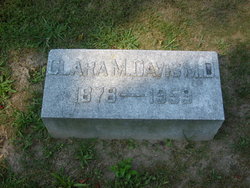
Are there experiments testing Dietary Instinct in humans? Luckily, such an experiment was run in a Chicago orphanage during the 1920s by Dr Clara M. Davis.

Bust of Dr Clara M. Davis, France 1918, requisitioned and melted down by German Army in WW2.


It is discussed here by Canadian science journalist Stephen Strauss:

The foods she offered the children were varied, but all were generally thought to be healthy. Their intrinsic goodness meant that it would have been difficult for her small charges to veer too far from the nutritional straight-and-narrow.

[the list of foods:
1. Water

2. sweet milk (i.e. milk)
3. sour milk
4. sea salt
5. apples
6. bananas
7. orange juice
8. fresh pineapple
9. peaches
10. tomatoes
11. beets
12. carrots
13. peas 
14. turnips 
15. cauliflower 
16. cabbage 
17. spinach 
18. potatoes 
19. lettuce 
20. oatmeal 
21. wheat 
22. cornmeal 
23. barley 
24. Ry-Krisp 
25. beef 
26. lamb 
27. bone marrow 
28. bone jelly 
29. chicken 
30. sweetbreads 
31. brain 
32. liver 
33. kidneys 
34. fish (haddock)
(some meat and offal was available both cooked and raw, where hygiene permitted, all cereals were boiled, no composite foods such as bread, soup or custard were offered. A wholefood is also a food by itself.)
“Errors the children's appetites must have made — they are inherent in any trial-and-error method — but the errors with such a food list were too trivial and too easily compensated for to be of importance or even to be detected.” The key thing was to provide healthy food and let children eat as much or as little of it as they wanted.
“The results of the experiment, then: Leave the selection of the foods to be made available to young children in the hands of their elders, where everyone has always known it belongs,” she told her peers in Montréal.
While an interesting double-hinged interpretation of her results, it was, Davis recognized, more a comforting argument than a true demonstration of the limitations of baby body wisdom. She did not present her little ones with a foolproof diet, just a not-intrinsically-foolish one.
It is actually beyond easy to imagine how Davis's orphans could have eaten themselves sick with healthy foods. Had one or more chosen only meat, fish and eggs, within short order they would likely have come down with scurvy. Had another been a fanatical vegan and eaten only fruits and vegetables, there is a good likelihood that he or she would have experienced a vitamin B12 deficiency and megaloblastic anemia.
Thus, the issue, really, was the extent to which an inner nutrition-seeking mechanism might lead children through the maze of choices they actually would face in the modern, eating world. What would happen, for example, if you offered the children not the Paleolithic diet of the Davis orphanage, but one where today's processed foodstuffs — think of a Big Mac mush, a slurry of Snickers and cola galore — were also on the menu?
Davis considered this and was not sure — particularly when confronted with the baroque ways her children constructed individual healthy diets out of a plethora of nutritious foods. To resolve the question, she told her Montréal audience she had decided to conduct just such a processed-food versus natural-food experiment. But alas, it was not to be: “The depression dashed this hope,” she laconically remarked, after a lack of funding forced the original experiment itself to end in 1931.

The PDF of Clara M. Davis's original report of her remarkable n=15 experiment can be seen here.
Average macronutrient disribution chosen was 17% protein, 35% fat, 48% carbohydrate (it would be hard to get a higher fat/protein ratio from the foods available, as there is no butter or oil).
The diet is both nutrient-dense and energy dense, in modern parlance. It is low in PUFA but fructose from fruit is readily available. We can only speculate on the reasons why pork was not included, whether this was a religious convenience or a health based decision.

There is an interesting reference in the paper to a form of dietary self-selection also being used in the Children's Memorial Hospital at that time. Children convalescing from the glandular fever epidemic consumed more carrots, beets, and raw beef. I'm guessing that raw beef and raw offal was not on the menu at 
the Children's Memorial Hospital, but who knows? In the context of Chicago and Prohibition, all bets are off.

The children were as healthy as 1920's children could be. I wonder if any have written memoirs, and I dearly hope Stephen Strauss completes his promised book on this affair. I know a lot of people who will be interested in that.

So there we have it - cut out sugar, stock the home with real foods only, and watch the appetite go feral.

Some Clara M. Davis from the interweb:
A letter to Clara M. Davis
A 1987 review (paywall)
A good blogger's take, from a baby-led weaning advocate.

Dr Clara M. Davis

A contemporary pop song summed up the healthy 1920's diet:


Monday, 23 December 2013

The Maned Wolf - a lesson in deductive dentition

This is a South American canid, the Maned Wolf.

File:Maned Wolf 11, Beardsley Zoo, 2009-11-06.jpg

This "dog" is a true omnivore, not unlike homo sapiens. It supplements a diet of meat (frogs, fish, lizards and other small game) with fruit, tubers, and sugarcane. These supply up to 51% of its diet. It does not do well in captivity without vegetable foods, In the wild it is susceptible to infestation by the Giant Kidney Worm (Dioctophyme renale)a potentially lethal roundworm it is exposed to by eating fish. It prefers the fruit of the Wolf Apple (Solanum lycocarpum) or lobeira, a tomato like fruit (also related to the Goji or Wolfberry) which is believed to protect it against this parasite (1).
Cindy Engel writes in Wild Health (a 2002 book which is recommended reading for anyone interested in Ancestral Health):
"Although this fruit is more plentiful in certain seasons, the wolf works hard to eat a certain amount throughout the year... researchers at the Brasilia zoo found that when packs of captive wolves were fed lobeira daily, they survived. If lobeira was withheld, all the wolves died. Postmortem examinations revealed giant kidney worm infestations, and it was suspected that lobeira might be controlling these worms in the surviving wolves".
The Maned Wolf also seems unusually susceptible to cancers in captivity (2)

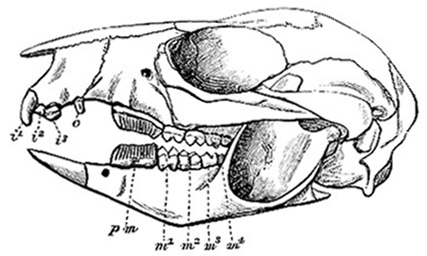
Whether or not the maned wolf is self-medicating, we can learn a lot by looking at its teeth:
File:Manedwolfskull.jpg
Teeth adapted, as the Maned Wolf is, to a diet that can be 51% plant based.

Let us compare that with the dentition of Homo Sapiens, a creature adapted to eating a diet similar to that of the Maned Wolf, with, on average, a broadly similar split between animal and plant foods:

Dentition   overview

We can clearly see that the dentition of a species need not be specific for its adapted diet. The Maned Wolf finds animals hard to catch and kill; it is not going to lose its carnivorous dentition because it eats fruit (although too much indulgence in the sugar cane could conceivably have that effect in individuals). The ancestral savannah-dwelling hominid, perhaps a former insectivore and fruitarian, finding itself "tuskless in Eden" in Robert Ardrey's evocative words from African Genesis, survived by developing tools that do the work the Maned Wolf's incisors do. Humans have not needed to trade away teeth that are useful for gripping the ends of the cords used to tie spearheads onto shafts, as well as for crushing seeds and roots. We can chop and stab and saw where the Maned Wolf can only tug and gnaw. The leg joints of quadraped mammalian carnivores are well designed for maximum force in tugging as well as speed in leaping and running.

Man is neither of these things (below), but it's fair to say that for quite a few aeons now he has had more in common with the dog than with the sheep. Especially if that dog is the Maned Wolf.


For comparison, the dentition of a Kangaroo, a marsupial herbivore which has evolved separately from the sheep:


This is the Maned Wolf's closest living relative, the Bush Dog, in flagrante delicto. This tough and gregarious 5-8 Kg canid can hunt the 40 Kg peccary, and a pack has been seen hunting a 250 Kg tapir.
It seems to be a wholly carnivorous creature. 


File:Bushdogs.jpg

The legs of the Bush Dog are adapted for strength in tugging at its larger prey, whereas those of the Maned Wolf are more suited for leaping on the small, swift creatures that make up its animal diet.

(1) Conservation of the Maned Wolf: fruitful relationships in a changing environment
Orin Courtenay, Canid News 1994
(2) High Incidence of Ovarian Tumours in Maned Wolves (
Chrysocyon  Brachyurus) at the National Zoological Park, Munson 1991


Wednesday, 4 December 2013

What is a Maori Ancestral Diet?

Grant Schofield, Professor of Public Health at AUT, has done brilliant work bringing LCHF science to the mainstream media in New Zealand. To someone like myself, who enjoys science best when the most cautious and rigorous approach delivers the most revolutionary findings, Prof Schofield's approach to publicity has been exemplary. I missed the interview where he said the LCHF approach would be best for Maori, but caught the response of Maori health provider Toi Tangata:
A public health specialist says Maori should go back to a pre-European diet to stop chronic diseases such as diabetes and cancer - advice disputed by a Maori health organisation.
Auckland University of Technology Professor of Public Health Grant Schofield believes Maori should revert to a diet that debunks a founding pillar of modern nutrition: that a healthy diet is low in fat.
"What Maori ate before Pakeha turned up was most likely a diet that was highish in fat, moderate in protein and relatively low in carbohydrate, and that's true across the whole Pacific region. And you can go and study people who are still eating that way, who are more or less disease free."
His diet plan has been met with a warning from Toi Tangata, a national Maori health provider, which says there's insufficient research to support it and goes on to call the suggestion "faddish and strange".
The health provider's nutritionist, Mason Ngawhika, says Maori could get dangerous mixed messages and think it's okay to eat large quantities of fatty foods without the required balance of fruit and vegetables.
He says the diet plan is too expensive for low-income Maori and such a large diet overhaul would result in too much willpower being required, ending with what nutritionists call the "what-the-hell-effect".
Despite its concerns, Toi Tangata says the diet could have benefits for people who have, or could develop, diabetes.

This response is not the ringing put-down it might seem at first. The last paragraph makes it obvious that Mason Ngawhika knows enough about LCHF diets for diabetes to accept the evidence for their effectiveness, and diabetic and pre-diabetic are descriptions that include a larger proportion of Maori than of Pakeha. For example, here Maori have many times the rate of diabetes complications compared to non-Maori.

Population rates of renal failure with concurrent diabetes (aged 15+) were over eight-and-a-half times higher in 
Māori compared with non-Māori (RR 8.78, CI 7.88–9.79). Because the self-reported prevalence of diabetes is similar for Māori and non-Māori, the significantly higher rate of renal failure with concurrent diabetes would suggest that, among people with diabetes, Māori may be up to 8.8 times more likely than non-Māori to go on to develop renal failure (one of the complications of diabetes).
Similarly, population rates of lower limb amputation with concurrent diabetes were over four-and-a-half times higher for Māori compared with non-Māori (RR 4.70, CI 4.01–5.52). Therefore, among people with diabetes, lower limb amputations for Māori can be estimated as being up to 4.7 times more likely than for non-Māori.

Research into, and evidence for LCHF is accruing all the time; more importantly, its acceptance is no longer automatically blocked or ignored, the public increasingly expects it to be addressed properly, like the results of any valid science about the important subject of health.


The objections made by Mason Ngawika to Ancestral-type LCHF diets for Maori can also be seen as reasoned, and deserving of response.

The cost of any new diet is an issue for low-income earners, and adherence to dietary changes - especially those made by people acting for themselves - as well as perceptions of "strangeness" may be significant barriers in the context of Maori family life, where the generous sharing of kai (food) is tikanga (custom).


The concern about mixed messages around what are perceived fatty foods is also valid; we don't want to be giving deep-fried food the OK, and some people will always hear what they would like to hear from any message. Then, you just try changing their minds - you'll be accused of changing yours.

So there are significant obstacles against getting the right message across.

Here is a presentation which NZ Paleo nutritionist Julianne Taylor made to a Maori organisation last year on the benefits of ancestral diets.

We can run into a problem prescribing LCHF to Maori as ancestral; New Zealand had no native land mammals, so Maori, as Maori, cannot have eaten relatives of pig, sheep, cows, goats or deer. Coconuts, olives, avocadoes and other fatty fruits did not grow here.
Seal are protected and Moa are extinct; so should a modern equivalent of an ancestral Maori diet be based on chicken, fish and shellfish?
Well, no. The most current reliable evidence strongly indicates that initial settlement of New Zealand occurred around 1280CE at the end of the medieval warm period.
File:Polynesian Migration.svg
(That's a long way to go to some place that hasn't been discovered yet and be successful in it. Vikings and Conquistadors could learn a thing or two.)

The ancestors of New Zealand Maori probably left coastal Asia around 4,000 years ago, well within the Neolithic period. Therefore, in terms of evolutionary adaptation the foods of coastal Asia and the Asian and Melanesian archipelagos are fully ancestral for Maori, and this includes pigs, deer, and buffalo (i.e. land mammals, including ruminant species). Coconut too.

When Europeans arrived in New Zealand, six introduced cultigens (cultivated plants that have no known wild ancestor) were being grown by Māori. They were:
  • kūmara (sweet potato, Ipomoea batatas)
  • hue (bottle gourd, Lagenaria siceraria)
  • aute (paper mulberry, Broussonetia papyrifera)
  • taro (Colocasia esulenta)
  • uwhi (yam, Dioscorea species)
  • tī pore (Pacific cabbage tree, Cordyline fruticosa).
The history book I read a while ago stated that Kumara, the main starch staple of Maori, was brought by later waka (large outrigger canoes used in oceanic migrations), giving the new arrivals ascendancy over the earlier settlers (Archaic or Moa Hunter), whose main food sources were becoming rare or extinct. I imagine all such claims are up for rebuttal, but it seems to me that only a people desperately short of food would consume bracken roots (aruhe - PDF). Most of the cultigens only grew well in Northland and the Bay of Plenty, yet Maori inhabited, or explored and exploited for its resources of food and craft materials, the whole length of New Zealand, including some offshore island groups. The use of bracken root, by both early Maori and my own Hibernean ancestors, illustrates to me that the need for starchy or sweet food is innate to most peoples, and that sources of carbohydrate in prehistory were often so poor that their caloric contribution to the diet cannot have been great, yet they were still prepared and eaten at considerable effort and some risk. Eating a high-fat diet from giant Moa would have been an easier proposition than eating a high-carb diet from bracken root. ("The British Royal Horticultural Society recommends against consumption of bracken either by humans or livestock, since it contains carcinogens linked with oesophageal and stomach cancer": probably not "safe starches" then.)

I'm not an expert in Maoritanga or in the foods of South-East Asia, but it seems to me that expanding our concept of Maori ancestral diet in this way will make it a lot easier to construct an affordable ancestral diet for modern urban Maori. I mean, that's something that's already being done, no need for my input there, but this expanded ancestral concept may make it easier to explain what's being done and is working already to uninformed skeptics of the Paleo method.

Starches in the form of kumara, and some sugars from berries and cabbage tree (a slightly nauseating, earthy-tasting, but satisfyingly sweet concoction) were definitely important to Maori, and one would restrict them, not because they are not ancestral, they plainly are, but because carbohydrate restriction is a medical solution for problems that ail Maori. Where these problems do not exist, or have been successfully resolved by carbohydrate restriction, traditional types of starches should not be a problem.
What ancestral Maori couldn't have eaten - grains. Interestingly in The Native Diet TV series on Maori TV, which experimented with Paleo diet and Crossfit training for urban Maori families (Julianne Taylor was a consultant for this enjoyable show), paraora (bread) was the food that participants found the hardest to go without - not alcohol, not sugar. This should give food for thought to dietary reformers of all stripes. 

Usually I write these blog posts, even the long ones, in one session. So far this post has occupied three days, and I could spend longer at it, but really it's just a bookmark for some ideas. 
Here is a traditional Maori recipe I often make myself, made with a minimum of ingredients, but a satisfying and nutritious meal nonetheless:


Boil-Up.


Take enough meat, bone in (a pork hock is good, beware of bacon hock which is too salty; pork chops work, a bit of lamb or beef would work but I haven't tried these). Cover with water, salt and boil it till tender (i.e. the meat begins to come away easily). Then add kumara (peeled, whole or big chucks), add whole small potatoes if you have kids to feed (you can separate these easily when serving), and half a cabbage in big pieces. Boil till the kumara is done and add chopped watercress. Serve when the potato and watercress is cooked.

(alternately, use this proper recipe!)