Search This Blog

Friday, 23 April 2021

The most important post - a new Nutrition and Mental Health article and book

The Better Brain: How nutrition will help you overcome anxiety, depression, ADHD and stress is a new book (not to be mistaken with the David Perlmutter book of similar name) by Bonnie Kaplan and Julia Rucklidge.

I was invited to review this very important book - by the authors of multiple RCTs and cross-over studies, who are announcing new findings in nutrition and mental health scientific research in book form for the first time, for NZ mainstream media channel Newsroom, where I've managed to place a few nutrition articles in the past.
Basically, the more hits this gets the more likely it becomes that I'll be asked back, and that I'll thus be able to keep placing ideas about LCHF, keto, ancestral diets, and the failings of the food industry and dietary guidelines in the MSM.

Please click here:

https://www.newsroom.co.nz/book-of-the-week-the-wrong-diet-makes-you-insane

My earlier posts in Newsroom can be accessed from the link.

Thank you

Tuesday, 13 April 2021

Zombies of the Risk Society

How the Risk Society model of “progress” explains the COVID-19 paralysis, how Zombies were enlisted in the cause, and what hope there is left of not becoming Zombies ourselves. (Note: this article was originally posted on Pearl Harbor day 2020, as a subscriber-only post on my Patreon account - to stay up-to-date with my research (except matters of urgent public interest, such as selenium and Covid-19 theories, which will always be free) in these low-employment times, please subscribe!)

“Whereas the utopia of equality contains a wealth of substantial and positive goals of social change, the utopia of the risk society remains peculiarly negative and defensive. Basically, one is no longer concerned with attaining something ‘good’, but rather with preventing the worst.

The dream of the old society is that everyone wants and ought to have a share of the pie. The utopia of the risk society is that everyone should be spared from poisoning.”
Ulrich Beck, Risk Society, 1986

In the summer of late 1968, two years after I arrived in New Zealand with my family as an 8-year old, what would become known as the Hong Kong Flu arrived. We were all sick and could barely move to feed ourselves. I remember to this day the feeling of one’s sinuses and bronchial passages being encased in and fossilized by concretions of phlegm day after day. Getting back to normal, if I ever did, took forever. The Hong Kong Flu killed a million people world-wide; 100,000 of these were in the USA. When mortuary room ran out, bodies were stacked in the subways in Berlin. Given that there are many more people alive today than in the 60’s who can be killed by such an infection, the Hong Kong Flu seems a decent approximation of the virulence of COVID-19.
Yet, Woodstock, and Altamont, went ahead in 1969, at the height of the epidemic in the USA. I’ve never seen the flu mentioned in any hippie memorial. The Vietnam War went on – if the flu is mentioned in histories of the Tet offensive, it doesn’t seem to have influenced strategy or logistics.
This wasn’t a result of ignorance. In the 1966 Star Trek episode The Naked Time (series 1, episode 4), Lt (jg) Joe Tormolen is infected by an alien virus while inspecting facilities on the planet Psi 2000. We first see Lt (jg) Joe wearing a biohazard suit (with an oddly feminine-patterned facemask – the props crew, probably, having used offcuts of material bought to scantily clad the green-skinned dancing girls on some other planet) then see him put his hand under the mask to scratch his face. Even though this will not be the route of infection, the scene is included to signal that Lt (jg) Joe is the crew member who is going to catch something.


If people weren’t any more stupid in the past than they are today – always a safe bet – then how do we explain the difference in the world’s reaction to today’s pandemic?

In my day job, I have helped a Professor of Public Health stay up-to-date with the evidence, and most of this evidence is conceptualised in terms of risk. Risk influences policy – will taxing sugar, or fat, improve population health? Hugely complicated rearrangements of hopelessly confounded data are lobbied at politicians who want to be seen to be doing something that will add a few extra days to the average lifespan, which, by the miracle of statistics, can then easily be sold in far more grandiose terms. The data sets are riddled with class bias – does eating red meat reduce your risk of cancer? I cannot tell you that, because in Western societies red meat signifies labour, labourers are more likely to be exposed to workplace carcinogens than academics and clerical workers, and no-one measures carcinogen exposure in diet epidemiology.

The differences in risk that appear are usually small, and the certainty is low, so why do we care so much? A few years ago I came across a blog post by documentary maker Adam Curtis which explains this important change in the function of society through the “risk society” predictions of Ulrich Beck, quoted above. Curtis says:

That was written in 1986 - and it is remarkably prescient. Because that short paragraph pretty much describes the present day mood in our society. A world where individuals are constantly calibrating risks in their lives, while politicians are expected to anticipate and avoid all future risks and dangers.

And everyone gives up on the idea of creating equality, which allows inequality to increase massively.

Beck’s book is extraordinary - because he came from the liberal left. Yet he is basically saying that in the face of these new potential risks we will have to move away from the political idea of progress and social reform - and instead hunker down in the brace position and try and anticipate all dangers that might be coming at us out of the darkness.

In 1968 a lot of people, from Ho Chi Min to LBJ to the crowd at Woodstock, had progress and social reform on their minds. Lockdown after MLK’s murder? Good luck with that. Suspend flights to and from Vietnam? Not going to happen for other reasons. The world’s machinery was simply being applied to different ends, and few thought it could or should be diverted to stop a pandemic.

At some point faith that the world could be radically changed, and that wars could be convincingly won, faded away. And science, perverted by the political and economic demands placed on it by the Cold War and the opportunities of consumerist capitalism, became a source of extra risk – leaky nuclear reactors, persistent pollutants, dodgy drugs, instead of the engine and arbiter of progress.

Curtis again:
“I think the truth probably is that it was the baby boomers losing their youth - and finding themselves unable to face the fact of their own mortality - they started to project their fears onto the rest of society. But somehow people like Beck transformed this into a grand pessimistic ideology.”

Beck’s original risk society theorem was about limiting man-made risk, but a pandemic, once you can do something about it, easily becomes such a risk; for example, jet aircraft are man-made vectors for transmitting pathogens rapidly around the world. Just as Godzilla represented the risk of nuclear power to a generation of Japanese, the Centres for Disease Control decided, about a decade ago, to use Zombies in their pandemic education programs.
You heard me right – Zombies. Imaginary monsters of undead human lineage derived from Afro-Caribbean folk tradition, and introduced to modern audiences by some relatively progressive film-makers who side-stepped any possible racist implications to create a more generalized myth of “the Other”. The Zombie film is basically an exercise in imagining genocide at a remove. You wake up one day and your neighbours are mindlessly intent on killing you and there’s nothing you can do about it – a common enough experience in mid 20th-century Europe. In the usual Zombie film, the tables will be turned, as they were in Europe. There will then be a genocide of Zombies, but it’s ethical because Zombies, though in human form and formerly known to us as our fellow humans, have become convincingly subhuman. It may be cathartic, but it’s not reassuring.

(Table from Walter Dehority, Infectious Disease Outbreaks, Pandemics, and Hollywood—Hope and Fear Across a Century of Cinema., JAMA 2020)


But the Zombie idea appealed to educators globally, as a way of getting kids interested in scientific concepts like exponential spread. And just as a way of pleasing kids and keeping them entertained – “look up from your video game, because this lesson’s like a video game!” – which is what education is turning into (anything too rigorous rapidly becomes financially and socially “risky”). I remember the kids coming home from school and talking about their Zombie lessons and wondering WTAF?

As discussed in an NZ Medical Journal article in 2018, the evidence that teaching kids about Zombies improves their preparedness as young adults is lacking. But it certainly allows them to see pandemics in dehumanizing terms, because no-one cares what happens to Zombies.
And so New Zealand went, overnight, from being a society where any expression of concern about immigration numbers for any reason was automatically flagged as “racist” and shouted down, to being the most “Build the Wall!” society on earth, a Hermit Kingdom jealously guarding its borders, with those members of society most progressive in normal times tending to be most vocal in defence of the new isolationism and any other restrictive measure needed to eliminate risk.
Not, I should add, that NZ’s approach has been overtly repressive – unlike Australia we haven’t implemented large fines, and have avoided violent arrests, for breaches of Covid decorum. Police are more likely to tell you that your behaviour is very disappointing and they expected better from you - and no-one wants to hear that.
As Prime Minister Jacinda Ardern says, “Be Kind”. You can take this as a reference to Albert Camus’ The Plague or Ellen DeGeneres’ The Ellen Show, or both, depending on your background, but it’s been useful advice to fall back on. Like most of the government’s messaging so far, it’s on point, easy to conceptualise, and leaves little room for confusion.

Nor has the NZ government’s reaction been entirely regressive. The slow claw-back of workers’ rights by a Labour party which famously surrendered to neo-liberalism in the 1980s has if anything strengthened under Covid; wages and benefits have been increased as more workers have lost their jobs and small businesses have failed. The idea that everyone is in the same boat here – a kind of Covid-class consciousness - is generally accepted.
NZ is a small country, we all know each other, and back in the early 90’s now-finance minister and deputy Prime Minister Grant Robertson, then head of the Otago Student’s Union, asked my band to play at his 21st. As bandleader I shared a common mission with Grant as host, that of keeping the party going and the inevitable Nazi skinhead gatecrasher contingent peaceful, which when you think about it is not unlike the mission of any successful left-leaning government in a democracy.

Talking about gatecrashers, QAnon and the associated plandemic theorists have indeed made inroads here. A few thousand people attended an illegal “Freedom” march in Auckland during the brief second lockdown of that city. And the right-thinking rest of NZ society – the Lockdown Liberals, to use Anton Jäger’s phrase, are being taught to see the spread of QAnon – a lab-grown virus if ever there was one - as another kind of Zombie pandemic.

(Since I wrote the first draft of this essay, NZ investigative journalist David Farrier, who is well-informed on QAnon, has begun sharing comics by Dan Vernon portraying conspiracy theorists as Zombies. One of these portrays cancelled, delusional chef Pete Evans* as a Zombie and describes the MAGA hat as a “neo-Nazi” symbol. More realistically, and more in keeping with the neo-Nazi cartoon shared by Evans that the comic was an outraged response to, the MAGA hat will go down in history as the symbol of a grifter-capitalist grab at political power - “say what you like about the tenets of National Socialism, Dude, at least it's an ethos.”)


Lockdown liberals also look askance on another group in NZ known as Plan B,  academics who warn that we can’t stay hermits forever, that lockdowns have both predictable and unforeseen consequences, and that we should be openly debating the alternatives whether we choose to embrace them or not.
The argument against these Covid-relativists is that it is heartless to consider the economy when lives are at stake - as if poverty no longer kills, as if life-extending medical treatments are cheap.
It's a trolly problem where the view on both lines is obscured by distance, and the categorical imperative is to preserve the lives that seem closest in time – those that would be lost to Covid – by diverting the runaway trolly off towards the lives unseen.


We’ll open the country when “we” have a vaccine, even though that will inevitably result in the infections we’ve been postponing, albeit hopefully at a lower rate. In the meantime, we seem to have done nothing in New Zealand to identify and quantify, let alone treat, the risk factors that are most likely to influence the virulence of COVID-19; from here these look like vitamin D deficiency, selenium deficiency (endemic in New Zealand), diabetes and obesity, and the polyunsaturated fat content of one’s fat stores – most of which are unintended consequences of earlier Risk Society initiatives - all of which are metabolically interlinked in their interaction with the virus, and all of which can easily be modified in whatever time we have - if the Risk Society so decides.

Ironically, we’d know a lot more about the factors influencing SARS CoV-2 virulence if we used more often the methods of the father of risk epidemiology, Austin Bradford Hill. In the 1960’s, Hill conceptualised the scientific argument against cigarettes in a way that could be seen as conclusive. Hill’s criteria are neglected today (or sometimes rewritten in order to weaken them as a form of special pleading) because, taken as a whole, they tend to screen out the small, confounded, possibly imaginary, and practically meaningless risks that are so popular for generating media articles and influencer pay-days today, like the story that inspired Curtis’s Vegetables of Truth.

We can become more like Bradford Hill, and less like Ulrich Beck, if and when we decide to stop being Zombies and start living.


* It’s a theme for another day, what caused Pete Evans, who did help expose one Big Lie and was pilloried for it by the corrupt Aussie dietetics establishment and the predatory press, to start seeing Big Lies everywhere and malign “elites” behind everything till his mind turned to mush.

Thursday, 4 March 2021

Letter – Selenium supplementation may improve COVID-19 survival in sickle cell disease.


Further to Ulfberg and Stehlik’s letter of Sept 29th, further evidence supports the role of selenium in COVID-19 virulence.[1]

In their pre-print analysis by machine learning of Medicare patients Dun et al. found that the leading comorbidity associated with COVID-19 mortality, adjusted for age and race, was sickle cell disease (aOR, 1.73; 95% CI, 1.21-2.47), followed by chronic kidney disease (aOR, 1.32; 95% CI, 1.29-1.36).[2]

Both SCD and kidney disease can lower selenium levels by decreasing tubular selenium resorption, and are associated with deficient selenium status.[3,4]

Selenium status or intake has been correlated with COVID-19 outcomes, including mortality and recovery rates, in four patient groups in China, Germany, South Korea, and southern India.[5,6,7,8] SARS-CoV-2, like other RNA viruses, sequesters selenium causing selenium levels to drop during infection.[6,9] SARS-CoV-2 may infect cells in bone marrow, suppressing red blood cell formation.[10] Selenium status is inversely associated with haemolysis in SCD, and selenium may both inhibit haemolysis and enhance erythropoiesis in SCD.[3,11]

Selenium is required for the actions of both vitamin D and dexamethasone.[12,13] Selenite infusion is safe, including in critically ill and dialysis patients, and selenium supplementation has had favourable effects in other RNA virus infections.[14,15,16]

It should be noted that vitamin C and magnesium are also commonly deficient nutrients and are required for the activation of vitamin D3 by hydroxylation.[17,18,19] Deficiency of ascorbate has been associated with COVID-19 and COVID-19 outcomes in hospital populations.[20]

Selenium, supplemented if necessary with its cofactors in vitamin D metabolism, is proposed to be an important protective factor in the general population, but has the potential to reduce mortality from SARS CoV-2 infection in the sickle cell disease population to an even greater extent.


[1] Ulfberg, J., & Stehlik, R. (2020). Finland’s handling of selenium is a model in these times of coronavirus infections. British Journal of Nutrition, 1-2. doi:10.1017/S0007114520003827

 
[2] Dun C, Walsh CM, Bae S et al. A Machine Learning Study of 534,023 Medicare Beneficiaries with COVID-19: Implications for Personalized Risk Prediction. medRxiv 2020.10.27.20220970; doi: https://doi.org/10.1101/2020.10.27.20220970


[3] Delesderrier E, Cople-Rodrigues CS, Omena J, et al. Selenium Status and Hemolysis in Sickle Cell Disease Patients. Nutrients. 2019;11(9):2211. Published 2019 Sep 13. doi:10.3390/nu11092211

[4] Iglesias P, Selgas R, Romero S, Díez JJ. Selenium and kidney disease. J Nephrol. 2013 Mar-Apr;26(2):266-72. doi: 10.5301/jn.5000213. Epub 2012 Sep 18. PMID: 23023721.


[5] Zhang J, Taylor EW, Bennett K, Saad R, Rayman MP. Association between regional selenium status and reported outcome of COVID-19 cases in China, The American Journal of Clinical Nutrition, Volume 111, Issue 6, June 2020, Pages 1297–1299, https://doi.org/10.1093/ajcn/nqaa095

[6] Moghaddam A, Heller RA, Sun Q et al. L. Selenium Deficiency Is Associated with Mortality Risk from COVID-19. Nutrients 2020, 12, 2098.

[7] Im, JH et al. Nutritional status of patients with coronavirus disease 2019 (COVID-19) Int J Infectious Diseases, August 11, 2020

[8] Majeed, M et al. An Exploratory Study of Selenium Status in Normal Subjects and COVID-19 Patients in South Indian population: Case for Adequate Selenium Status: Selenium Status in COVID-19 Patients. Nutrition. Available online 11 November 2020, 11105

[9] Wang, Y et al. SARS-CoV-2 suppresses mRNA expression of selenoproteins associated with ferroptosis, ER stress and DNA synthesis. Preprint, 2020/07/31. 10.1101/2020.07.31.230243


[10] Reva, I., et al. Erythrocytes as a Target of SARS CoV-2 in Pathogenesis of Covid-19. Archiv EuroMedica. 2020. doi.org/10.35630/2199-885X/2020/10/3.1


[11] Jagadeeswaran R, Lenny H, Zhang H et al. The Impact of Selenium Deficiency on a Sickle Cell Disease Mouse Model. Blood 2018; 132 (Supplement 1): 3645. doi: https://doi.org/10.1182/blood-2018-99-111833

[12] Schütze N, Fritsche J, Ebert-Dümig R, et al. The selenoprotein thioredoxin reductase is expressed in peripheral blood monocytes and THP1 human myeloid leukemia cells--regulation by 1,25-dihydroxyvitamin D3 and selenite. Biofactors. 1999;10(4):329-338. doi:10.1002/biof.5520100403

[13] Rock C, Moos PJ. Selenoprotein P regulation by the glucocorticoid receptor. Biometals. 2009;22(6):995-1009. doi:10.1007/s10534-009-9251-2

[14] Zhao Y, Yang M, Mao Z, et al. The clinical outcomes of selenium supplementation on critically ill patients: A meta-analysis of randomized controlled trials. Medicine (Baltimore). 2019;98(20):e15473. doi:10.1097/MD.0000000000015473

[15] Manzanares W, Lemieux M, Elke G, Langlois PL, Bloos F, Heyland DK. High-dose intravenous selenium does not improve clinical outcomes in the critically ill: a systematic review and meta-analysis. Crit Care. 2016;20(1):356. Published 2016 Oct 28. doi:10.1186/s13054-016-1529-5

[16] Steinbrenner H, Al-Quraishy S, Dkhil MA, Wunderlich F, Sies H. Dietary selenium in adjuvant therapy of viral and bacterial infections. Adv Nutr. 2015;6(1):73-82. Published 2015 Jan 15. doi:10.3945/an.114.007575


[17] Cantatore FP, Loperfido MC, Magli DM, Mancini L, Carrozzo M. The importance of vitamin C for hydroxylation of vitamin D3 to 1,25(OH)2D3 in man. Clin Rheumatol. 1991 Jun;10(2):162-7. doi: 10.1007/BF02207657. PMID: 1655350.

[18] Dai Q, Zhu X, Manson JE, et al. Magnesium status and supplementation influence vitamin D status and metabolism: results from a randomized trial. Am J Clin Nutr. 2018;108(6):1249-1258. doi:10.1093/ajcn/nqy274

[19] Cooper ID, Crofts CAP, DiNicolantonio JJ, et al. Relationships between hyperinsulinaemia, magnesium, vitamin D, thrombosis and COVID-19: rationale for clinical management. Open Heart. 2020;7(2):e001356. doi:10.1136/openhrt-2020-001356

[20] Carr, A.C.; Rowe, S. The Emerging Role of Vitamin C in the Prevention and Treatment of COVID-19. Nutrients 2020, 12, 3286.

[3] Delesderrier E et al. Selenium Status and Hemolysis in Sickle Cell Disease Patients. Nutrients. 2019;11(9):2211. Published 2019 Sep 13. doi:10.3390/nu11092211

[4] Iglesias P et al. Selenium and kidney disease. J Nephrol. 2013 Mar-Apr;26(2):266-72. doi: 10.5301/jn.5000213. Epub 2012 Sep 18. PMID: 23023721.

 [5] Zhang J et al. Association between regional selenium status and reported outcome of COVID-19 cases in China, The American Journal of Clinical Nutrition, Volume 111, Issue 6, June 2020, Pages 1297–1299, https://doi.org/10.1093/ajcn/nqaa095

[6] Moghaddam A et al. L. Selenium Deficiency Is Associated with Mortality Risk from COVID-19. Nutrients 2020, 12, 2098.

[7] Im, JH et al. Nutritional status of patients with coronavirus disease 2019 (COVID-19) Int J Infectious Diseases, August 11, 2020

[8] Majeed, M et al. An Exploratory Study of Selenium Status in Normal Subjects and COVID-19 Patients in South Indian population: Case for Adequate Selenium Status: Selenium Status in COVID-19 Patients. Nutrition. Available online 11 November 2020, 111053


[9] Wang, Y et al. SARS-CoV-2 suppresses mRNA expression of selenoproteins associated with ferroptosis, ER stress and DNA synthesis. Preprint, 2020/07/31. 10.1101/2020.07.31.230243


[10] Reva, I., et al. Erythrocytes as a Target of SARS CoV-2 in Pathogenesis of Covid-19. Archiv EuroMedica. 2020. doi.org/10.35630/2199-885X/2020/10/3.1


[11] Jagadeeswaran R et al. The Impact of Selenium Deficiency on a Sickle Cell Disease Mouse Model. Blood 2018; 132 (Supplement 1): 3645. doi: https://doi.org/10.1182/blood-2018-99-111833

Monday, 16 November 2020

Mauritius - When the effects of saturated fat replacement failed to conform to the modelling, no-one cared.

There may be no country in the world in which a suggested limit on saturated fat has not been followed by a relatively rapid increase in the incidence of diabetes and obesity.

Of course this is a matter of observation not experiment, but so is most of the evidence that various dietary guidelines organizations have relied on over the years.


A particularly egregious case seems to have occurred in Mauritius, after the Mauritian Government changed the fat content of ration oil, a cheap cooking oil used by most of the population, by decree. In 1987 it had been 75-100% (median 87.5%) palm oil, with (by then) some soybean oil – overnight this was changed to 100% soybean oil. This change was based on predictions from the research of Ancel Keys into heart disease, in particular the 7 Countries study and the intervention in East Finland.

This took PUFA intakes (almost all linoleic acid) to 8.6%E for men and 8.8%E for women, and lowered SFA intakes to 7%E and 7.5%E respectively. These were, as reported, not high fat diets, and it may be relevant that Mauritius is a sugar-producing nation.[1,2]

 5 years later, in 1992, researchers, including experts from Finland and the WHO, measured the changes in fat intake and cholesterol in the Mauritian population, focusing on Hindu Indians.


"In the 5-year survey of lipids and other biomarkers, mean population serum total cholesterol concentration fell appreciably from 5.55 mmol/l to 4.7 mmol/l (P<0.001). The prevalence of overweight or obesity increased, and the rates of glucose intolerance changed little."[1]


However, in a letter to the BMJ, N Chandrasekharan, a consultant chemical pathologist and Kalyana Sundram, senior research officer of the Palm Oil Research Institute of Malaysia disputed these findings -

 "On the purported fall in serum cholesterol concentration from 5.7 mmol/l in 1987 to 4.6 mmol/l in 1992, it is not evident whether the samples were from the same subjects.

The data for 1992 on the per caput fat intake of 56.2 g per day based on a 24 hour dietary recall is a far cry from the 73.7 g reported by the Food and Agriculture Organisation. The figures for edible oil intake seem erroneous. In 1987 palm oil accounted for only 27.5% of the edible oils consumed and its saturated fatty acids contributed 1.89% of the total energy intake and this fell to 0.33% in 1992."[3]


However, we have previously found FAO fat consumption estimates to be unreliable, overestimating NZ butter consumption in recent years by a factor of 4. And Chandrasekharan and Sundram’s letter contains this statement:

 "Although we are also concerned about the need to reduce the prevalence of non­communicable diseases in Mauritius, we disagree on the kind of simplistic thinking and draconian measures advocated."[3]


In other words, whatever the effect on fat intakes or cholesterol, the change was a radical one. It put more linoleic acid into the Mauritian food supply, and as in other places, the change in mandated fats would have been accompanied by voluntary changes along the same lines. We may doubt whether cholesterol levels changed, but not that people began to consume more soybean oil.

 So what happened? The 1987 intervention included several good ideas – exercise more, smoke less, drink less – as well as less certain ones – eat less salt, eat less saturated fat and more soybean oil.

 However, it seems unlikely that CVD went down – circulatory mortality as a percentage of mortality increased after 1987. [4]

 "Over 1981–2004 the proportion of circulatory disease mortality rose from 44% to 49% in males, and from 46% to 57% in females."


Mauritius is now #2 in the world for diabetes mortality. However, a coding change in 2004 meant that much of what had been recorded as circulatory disease mortality was shifted to diabetes mortality. What we do know is that diabetes prevalence increased, as has incidence of pre-diabetes.

 "The prevalence of Type 2 diabetes increased significantly during the period studied, from 12.8% in 1987, to 15.2% in 1992, and 17.9% in 1998."[5]


Note that this contradicts the 1992 claim – by some of the same authors – that “the rates of glucose intolerance changed little” between 1987 and 1992, a discordance not mentioned in the 2002 paper.[1]

 "The age-standardized prevalence of diabetes in 2009 was 22.3% (95% CI 20.0–24.6) among men and 20.2% (18.3–22.3) among women, representing an increase since 1987 of 64 and 62% among men and women, respectively".[6]


The Mauritius fat change paper has been cited just 17 times in 25 years, and not one of the citing papers includes any follow up on the consequences of the change there. For example, an AHA paper mentions the Mauritius change in glowing terms without following up whether benefit or harm ensued, beyond the claimed 5-year drop in cholesterol.[7] Palm oil reduction was modelled for India in 2013, and a doubled palm oil tax has been implemented in Fiji since, all in papers citing the 1987-1992 Mauritius cholesterol drop.[8, 9]
But none follows that citation up with any hard outcomes.

 Conversely, none of the papers on health in Mauritius since 1992, charting worsening trends, and in which the Finns still feature as authors, mentions the oil change of 1987. However, the earlier paper had contained a warning:[2]

 "Whether the replacement of palm oil by soya bean oil, rich in n-6 polyunsaturated fatty acids, is the optimal dietary change may be questioned... the consumption of fats high in polyunsaturated fatty acids may lead to increased concentrations of free radicals and oxidised low-density lipoprotein, which may promote the progression of atherosclerosis. Therefore, notwithstanding the apparent success of the intervention in Mauritius, an oil high in monounsaturated fatty acids, such as olive oil or rapeseed oil, might be preferable if such an oil substitution were currently being planned."


It appears now that both saturated fat in the diet, and a low intake of omega 6 linoleic acid,  are beneficial in terms of the incorporation of the omega 3 fatty acids EPA and DHA into circulating lipids and cells.[10, 11, 12, 13] EPA in particular is anti-inflammatory, and is an approved drug for the prevention of CVD.[14]

 "These observations indicate that the efficacy of n-3 fatty acids in reducing arachidonic acid level is dependent on the linoleic acid to saturated fatty acid ratio of the diet consumed."[11]

 "The results suggest that dietary substitution of SFA with n-6PUFA, despite maintaining low levels of circulating cholesterol, hinders n-3PUFA incorporation into plasma and tissue lipids."[13]


The conversion of linoleic acid to arachidonic acid, and the peroxidation of arachidonic acid to aldehydes which interfere with insulin signaling, as well as its conversion to cannabinoids which increase adipocyte growth, in a context of decreased omega 3 availability from high LA and low SFA diet, are pathways that may explain the eventual adverse outcomes in Mauritius, especially in a population with high sugar availability.[15,16]

 "Our recent finding that sucrose and other high glycemic index carbohydrates abrogate the antiobesity effect of n-3 PUFAs might, at least in part, provide an explanation to the apparent discrepancy between human and rodent intervention studies, and the lack of effect in some human trials. In addition to the amount and type of carbohydrates, the levels of n-6 PUFAs, linoleic acid in particular, in the background diet might influence the antiobesogenic effect of n-3 PUFAs."[15]


It seems that, in the matter of diet, public health experts cannot be relied on to investigate the possibility that they have made a mistake. They control the narrative so that a (questionable) historical change in cholesterol within a 5-year period is considered evidence that a lifetime intervention is valuable, yet a nation-wide worsening of hard endpoints after that intervention can be ignored. Certainly the diabetes disaster in Mauritius can have had many causes, but the possibility that the soya bean oil intervention was one of them has not even registered in the medical literature over a 30 year period, let alone been tested.

 H/T Louise Stephen @LouiseStephen9 author of  'Eating Ourselves Sick' for bringing this intervention to my attention.

Postscript: it will be obvious to students of evidence-based medicine that the quality of evidence used to create this argument has left much to be desired. With the exception of the date and intent of the intervention and the diabetes incidence data, nothing here tells us quite what we want to know. For example, circulatory disease as a percentage of mortality is a suggestive but imperfect measure, even before the coding change. So there will be those who read this article and feel justified in dismissing the need for it.
But I ask them to look at things another way - the data in this page is, to the best of my knowledge, the sum total of the published, peer-reviewed evidence on the subject. The Mauritius intervention - a legal disruption of the saturated fat supply to replace it with unsaturated fat within an entire community, in a way designed to target its most vulnerable members - has been the masturbation fantasy of a certain type of public health epidemiologist for as long as I can remember. There is a constant supply of peer-reviewed publications modelling the long-term effect of such an intervention on the putatively preventable causes of mortality, and there have been none directly investigating the impact on those causes in this case - where the long-planned intervention actually happened.
The reasons for this neglect are a matter for conjecture; we may hear future tales of suppressed data and publication bias as we did with the Sydney Heart Study and Minnesota Coronary Experiment studies (both of which also involved changes of fat products given to a population, rather than the less certain changes of mere advice given in most other diet-heart studies)[17] but the conclusion ought surely to be that the modelling should stop until the facts have been checked. 


References

[1]  Dowse GK, Gareebo H, Alberti KGMM, Zimmet P, Tuomilehto J, Purran A, et al. Changes in population cholesterol concentrations and other cardiovascular risk factor levels after five years of the non­communicable disease intervention programme in Mauritius. BMJ 1995;311:1225­9.


[2]  Uusitalo U, Feskens EJM, Tuomilehto J, Dowse G, Haw U, Fareed D, et al. Fall in total cholesterol concentration over five years in association with changes in fatty acid composition of cooking oil in Mauritius: cross sectional survey. BMJ 1996;313:1044­6.


[3]  Chandrasekharan N, Sundram K. Fall in cholesterol after changes in composition of cooking oil in Mauritius. BMJ. 1997;314(7079):516. doi:10.1136/bmj.314.7079.516


[4]  Morrell, S., Taylor, R., Nand, D. et al. Changes in proportional mortality from diabetes and circulatory disease in Mauritius and Fiji: possible effects of coding and certification. BMC Public Health 19, 481 (2019) doi:10.1186/s12889-019-6748-7


[5]  Söderberg S, Zimmet P, Tuomilehto J, de Courten M, Dowse GK, Chitson P, Gareeboo H, Alberti KG, Shaw JE. Increasing prevalence of Type 2 diabetes mellitus in all ethnic groups in Mauritius. Diabet Med. 2005 Jan;22(1):61-8.


[6]  Magliano DJ, Söderberg S, Zimmet PZ, et al. Explaining the increase of diabetes prevalence and plasma glucose in Mauritius. Diabetes Care. 2012;35(1):87–91. doi:10.2337/dc11-0886


[7]  Mozaffarian D, Afshin A, Benowitz NL, et al. Population approaches to improve diet, physical activity, and smoking habits: a scientific statement from the American Heart Association. Circulation. 2012;126(12):1514–1563. doi:10.1161/CIR.0b013e318260a20b


[8]  Basu S, Babiarz KS, Ebrahim S, Vellakkal S, Stuckler D, Goldhaber-Fiebert JD. Palm oil taxes and cardiovascular disease mortality in India: economic-epidemiologic model. BMJ. 2013;347:f6048. Published 2013 Oct 22. doi:10.1136/bmj.f6048


[9]  Coriakula J, Moodie M, Waqa G, Latu C, Snowdon W, Bell C. The development and implementation of a new import duty on palm oil to reduce non-communicable disease in Fiji. Global Health. 2018;14(1):91. Published 2018 Aug 29. doi:10.1186/s12992-018-0407-0


[10]  Gibson, Robert A. Musings about the role dietary fats after 40 years of fatty acid research. Prostaglandins, Leukotrienes and Essential Fatty Acids, Volume 131, 1 – 5


[11] Garg ML, Thomson ABR, and Clandinin M T. Interactions of saturated, n-6 and n-3 polyunsaturated fatty acids to modulate arachidonic acid metabolism.

The Journal of Lipid Research, February 1990 , 31, 271-277.


[12] Dabadie H, Motta C, Peuchant E, LeRuyet P, Mendy F. Variations in daily intakes of myristic and alpha-linolenic acids in sn-2 position modify lipid profile and red blood cell membrane fluidity. Br J Nutr. 2006 Aug;96(2):283-9.


[13] Dias Cintia B, Wood LG, and Garg Manohar L. Effects of dietary saturated and n-6 polyunsaturated fatty acids on the incorporation of long-chain n-3 polyunsaturated fatty acids into blood lipids. European Journal of Clinical Nutrition. 2016; 70: 812-818


[14] Budoff M, Brent Muhlestein J, Le VT, May HT, Roy S, Nelson JR. Effect of Vascepa (icosapent ethyl) on progression of coronary atherosclerosis in patients with elevated triglycerides (200-499 mg/dL) on statin therapy: Rationale and design of the EVAPORATE study. Clin Cardiol. 2018;41(1):13–19. doi:10.1002/clc.22856


[15] Madsen L, Kristiansen K. Of mice and men: Factors abrogating the antiobesity effect of omega-3 fatty acids. Adipocyte. 2012;1(3):173–176. doi:10.4161/adip.20689


[16] Clark TM, Jones JM, Hall AG, Tabner SA, Kmiec RL. Theoretical Explanation for Reduced Body Mass Index and Obesity Rates in Cannabis Users. Cannabis Cannabinoid Res. 2018;3(1):259-271. Published 2018 Dec 21. doi:10.1089/can.2018.0045


[17] Ramsden Christopher E, Zamora Daisy, Majchrzak-Hong Sharon, Faurot Keturah R, Broste Steven K, Frantz Robert P et al. Re-evaluation of the traditional diet-heart hypothesis: analysis of recovered data from Minnesota Coronary Experiment (1968-73) BMJ 2016; 353 :i1246
https://www.bmj.com/content/353/bmj.i1246

Thursday, 2 July 2020

A Reading List, and I Shill for a New Cookbook


It's been a time for reading lists; in lockdown I enjoyed discovering the books of T.H. White (The Goshawk and The Age of Scandal) and Evan S. Connell (Mrs Bridges) and reading Hillary Mantel's memoir (Giving Up the Ghost).
Sam Kriss also has a great reading list in Damage magazine, which features some of the best political writing I've read in ages - kind of a Leftist Spectator, if you get my drift, i.e. an honest journal, in a time when honesty is a rare and dangerous thing.

This is a reading list I compiled for PreKure a while back, of books most worth reading if you're interested in the nutrition-and-health ideas this blog has covered over the years.


The Perfect Health Diet, Paul and Shou-Ching Jaminet, 2012


This was one of the first “Paleo” books I read and, in my opinion, still one of the best. There are all sorts of sensible ideas, lots of references, and it’s not exclusively low carb. Some of their theoretical objections to keto diets haven’t come to much, and can be taken with a grain of salt, but there’s so much of value here to compensate. As far as population health goes, this is a clever and coherent interpretation of the evidence.


The Daughter of Time, Josephine Tey, 1951


This amusing 1950’s British detective story is a “research thriller”. The action, such as it is, takes place in a hospital bed as an injured detective sends his friends to libraries in search of the evidence in the case of a well-known historical mystery. Tey’s genius, and the lasting appeal of this book (Christopher Hitchens called it one of the most important ever written) is to show us how the most cherished received beliefs can be based – if we look closely – on lies and hearsay, the suppression of evidence, and self-serving propaganda. (*cough* saturated fat *cough*) And when Tey’s detective comes around to her alternative hypothesis, he oversells it – we suspect the author’s bias by now, and already know the evidence is too corrupt to accept; so its very flaws help to make this book perfect. If you want to inoculate young adults against fake news without getting mired in any modern controversies, convince them to read The Daughter of Time.


Foods of the Foreign Born in Relation to Health, Bertha M. Wood, 1922


Wood was a US dietitian and wrote this book at a time when the US was receiving migrants and refugees from all over Europe, as well as Mexico and the Middle East; some had brought political terrorism with them, xenophobia was if anything more extreme than it is today, and in this climate Wood wanted to familiarise nursing and dietetic students with the variety of immigrant diets so that they could help these populations in what we would today call a culturally appropriate manner. Thanks to her research we can learn about the real Mediterranean diets of 100 years ago, and that Hungarians gave children whiskey instead of milk on their cereal. A feature of this book is that Wood tells us how to adapt each population’s diet for diabetics by removing the starchy carbs. Foods of the Foreign Born is available free online at https://archive.org/details/foodsforeignbor00woodgoog/page/n6


Biochemistry
. Mathews, van Holde, Ahern. 3rd edition. 2000.


This is a second-hand biochemistry textbook. I recommend older editions like this, which you can sometimes find in op shops, because they give less space to the biochemistry of the genome, which isn’t useful information if you’re interested in nutrition, and thus have more nuts-and-bolts detail than whatever they’re selling today. It also says on page 841 that “Adult onset diabetes can often be controlled by dietary restriction of carbohydrate”. Only experts in biochemistry were allowed to tell us something that simple and true in 2000 - the rest of the world back then only cared about saturated fat and felt that the Mediterranean Diet was quite daring.

This book is, amongst other things, your essential guide to what functions vitamins and minerals really perform in the body. Disclaimer – I understand few of the many mathematical formulas in this book that are an essential part of a real biochemistry education, but enjoyed this book nonetheless, making especial use of the index.


The Meat Fix: How a Lifetime of Healthy Living Nearly Killed Me! John Nicholson, 2012


This is a light, funny read by a UK sports journalist who wrecked his gut and metabolic health by trying to be a good vegetarian. I recommend it as a consumer’s eye view of the path many are on today, and also an insight into what popular low-carb science looks like to an ordinary convert – a bit pseudoscientific from our perspective, but still thoroughly effective.


And, of course, The Big Fat Surprise (Nina Teicholz) and Why We Get Fat (Gary Taubes) – these are the books that best explain how we got to where we are today.


Now, I've never run advertising on this blog. I did try at one stage, when I ran out of money, but Google weren't interested. Their loss, my escape.

However, given a chance to sell out in a good cause, in a time when paid work ain't what it used to be, I've leapt at it.

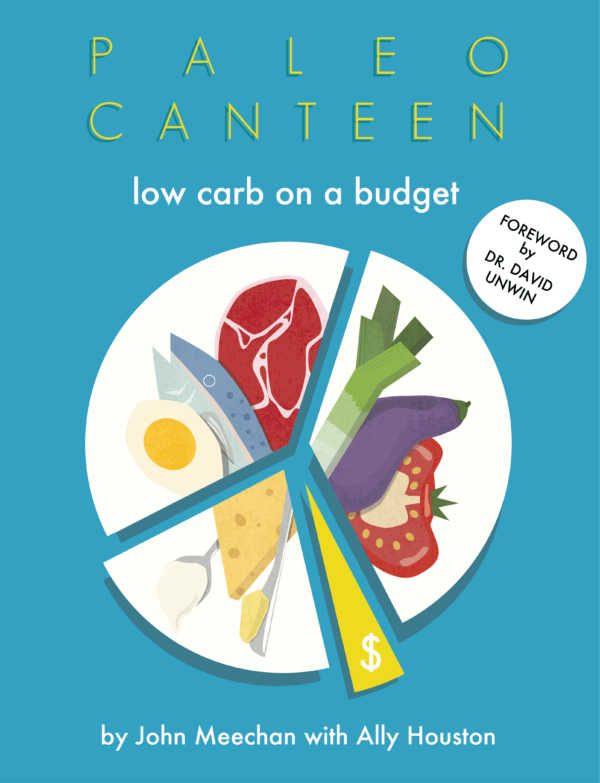
Ally Houston from PaleoCanteen has written "Low Carb on a Budget" with chef John Meechan and this is the book I've long meant to write but never had time for.
Lower income people are most likely to suffer from the conditions for which low carb is the specific cure, from metabolic syndrome to obesity to type 2 diabetes to depression, anxiety and chronic pain.
Yet low-carb cookbooks are often written by foodies and include a wide variety of expensive, hard to find, and - not to put too fine a point on it - unnecessary - ingredients. Even without these, there is still some extra cost over white bread, sugar, margarine and processed meat, but nothing you won't soon make back from your dentist, doctor, pharmacy and snack bills.
Low Carb on a Budget gets high praise from those most worth listening to in the UK diet-and-public health debate; if you don't know the names of some of those praising it, check out their work.
Another great selling point is that I'll get a pound, whatever that is, for every copy sold through the link above, and the  Public Health Collaboration, a very effective lobby group in the UK, will get 50p.


Wednesday, 27 May 2020

My Letter to Cochrane on the Hooper 2020 saturated fat meta

I submitted this on the Cochrane form at
https://www.cochranelibrary.com/cdsr/doi/10.1002/14651858.CD011737.pub2/comment

Others will have points to add about study quality and other factors, I have stuck to what I know (not wanting to waste my life battling an opponent who can obviously be reanimated an unlimited number of times).


The introduction to this meta-analysis includes an error uncorrected from the 2015 version.

Oliver 1953 measured total cholesterol, not LDL cholesterol. Further, it is relevant that every subject in Oliver 1953 had been eating the same hospital diet for at least 5 weeks before the cholesterol samples were taken, which does not support a diet-heart interpretation of the results.[1] (The presence of FH in the sample, and/or survivorship bias, are probably more reasonable interpretations)

[1] The Plasma Lipids in Coronary Artery Disease. Oliver MF, Boyd GS. Br Heart J. 1953 Oct;15(4):387-92. 

The section headed "Agreements and disagreements with other studies or reviews" has not addressed any written after 2014, meaning that this section has not been updated. There are several analyses of the diet heart trials since 2015 that should have been addressed (indeed, that should have been read before the current Cochrane review was designed). Some are listed below.[2,3.4]

[2] Hamley, S. The effect of replacing saturated fat with mostly n-6 polyunsaturated fat on coronary heart disease: a meta-analysis of randomised controlled trials. Nutr J 16, 30 (2017). https://doi.org/10.1186/s12937-017-0254-5

[3] Thornley S, Schofield G, Zinn C, Henderson G. How reliable is the statistical evidence for limiting saturated fat intake? A fresh look at the influential Hooper meta-analysis. Intern Med J. 2019;49(11):1418‐1424. doi:10.1111/imj.14325

[4] Jeffery L Heileson, Dietary saturated fat and heart disease: a narrative review, Nutrition Reviews, Volume 78, Issue 6, June 2020, Pages 474–485, https://doi.org/10.1093/nutrit/nuz091

The discussion of Siri-Tarino 2010 in "Agreements and disagreements with other studies or reviews" claims that adjustment for lipids has confounded its null result, however Siri-Tarino at al had already addressed this by isolating studies not adjusted for lipids with no difference in their null result. This is quite understandable as adjusting for lipids also means adjusting for TG and HDL, cardiometabolic risk markers which can be beneficially infuenced by saturated fat and worsened by carbohydrate.
Studies which do not adjust for lipids can be favourable to saturated fat, for example the Malmo DCS, a high-quality observational study using a 7-day food diary and more rigorous exclusion criteria than is usual, or the 2019 dose-response meta-analysis of observational studies by Zhe et al.[5,6]

[5] Leosdottir M, Nilsson PM, Nilsson JA, Månsson H, Berglund G. Dietary fat intake and early mortality patterns--data from The Malmö Diet and Cancer Study. J Intern Med. 2005;258(2):153‐165. doi:10.1111/j.1365-2796.2005.01520.x

[6] Zhu, Y., Bo, Y. & Liu, Y. Dietary total fat, fatty acids intake, and risk of cardiovascular disease: a dose-response meta-analysis of cohort studies. Lipids Health Dis 18, 91 (2019). https://doi.org/10.1186/s12944-019-1035-2

The claim that greater lowering of LDL in trials being associated with greater reduction of events supports the diet-heart hypothesis may be unsound. Persons in good metabolic health are at significantly lower risk of CVD events despite other risk factors.[7] Persons who are obese, have diabetes, or the metabolic syndrome do not usually experience drops in LDL cholesterol when fat in the diet is changed; the subjects in the feeding studies cited, who did experience such drops, were healthy volunteers.[8,9,10]

[7] Jeppesen J, Hein HO, Suadicani P, Gyntelberg F. Low triglycerides-high high-density lipoprotein cholesterol and risk of ischemic heart disease. Arch Intern Med. 2001;161(3):361‐366. doi:10.1001/archinte.161.3.361

[8] Flock MR, Green MH, Kris-Etherton PM; Effects of Adiposity on Plasma Lipid Response to Reductions in Dietary Saturated Fatty Acids and Cholesterol, Advances in Nutrition. 2011;2,(3):261–274, https://doi.org/10.3945/an.111.000422

[9] Benatar JR, Sidhu K, Stewart RAH. Effects of High and Low Fat Dairy Food on Cardio-Metabolic Risk Factors: A Meta-Analysis of Randomized Studies. Tu Y-K, ed. PLoS ONE. 2013;8(10):e76480. doi:10.1371/journal.pone.0076480.

[10] Lefevre M, Champagne CM, Tulley RT,et al. Individual variability in cardiovascular disease risk factor responses to low-fat and low-saturated-fat diets in men: body mass index, adiposity, and insulin resistance predict changes in LDL cholesterol. Am J Clin Nutr. 2001;82(5):957–963, https://doi.org/10.1093/ajcn/82.5.957


It is also relevant that from 2004 the Swedish population began to reject diet-heart advice, to such an extent that butter sales rose and margarine sales dropped; cholesterol levels also rose.[11] Yet as recently as 2018 mortality from, and incidence of, AMI was continuing to decline in Sweden. In fact incidence of AMI had stayed stable from 1987 to 2005, after which it began to drop from 42,263 PA to 25,789 PA in 2018.[12]


[11] Johansson I, Nilsson LM, Stegmayr B, Boman K, Hallmans G, Winkvist A. Associations among 25-year trends in diet, cholesterol and BMI from 140,000 observations in men and women in Northern Sweden. Nutr J. 2012;11:40.

[12] Data accessed from Swedish Social Registry website 28/05/20 https://sdb.socialstyrelsen.se/if_hji/resultat.aspx

Thursday, 2 April 2020

Probiotics for the prevention of Upper Respiratory Tract infections - a back-of-the-envelope Bradford Hill analysis

“With most people, disbelief in a thing is founded on a blind belief in something else" 
      G. C. Lichtenberg


The Cochrane Collaboration found low-quality evidence that probiotics prevent UTRIs, and moderate-quality evidence that probiotics reduce antibiotic prescriptions for UTRI.
Because the antibiotic finding is most robust (aside from bearing the higher-quality GRADE score, it's also not a self-reported outcome), we'll take this as our baseline and see if it is strengthened or weakened by a Bradford Hill analysis.

1) Strength of association: for antibiotic use, RR 0.65 (0.45 to 0.94), n=1184.[1]
The true association is subject to type 2 confounding by two factors - by intention-to-treat analysis, and potentially by the random consumption of yogurt and other fermented foods supplying similar effects.

2) Consistency of association: the association is consistent, with similar (but slightly larger) effect sizes for all other measures of URTI. The association is reasonably consistent between different trials (there is no major contradiction). The association is strongly consistent with the effects of probiotics on vaccination immunity (RCTs using independently measured serum makers so more robust than the UTRI trials). The association is consistent with results for sambucus (effect size 1.717)
 (see 9, "analogy").[1,2,3,4]

3) Specificity: Probiotics have had no consistent association with several other outcomes predicted for them. Probiotic treatment of mothers during pregnancy only results in better immunity after vaccine for mother, not infant, consistent with dendrite cell pathway for effect.[2]

4) Temporality: Implicit in trial design

5) Biological gradient: dose-reponse is seldom tested in probiotic experiments perhaps because of assumption that a living organism can replicate, however a dose-response for duration of treatment is seen in the vaccine studies.[3] The analogous effect of echinacae purpurea in zebrafish is strongly dose-dependent.[5]

6) Plausibility: effect of probiotic on immune tone is well-studied, insofar as the immune system is currently understood the effect is plausible. Increased innate immunity around infection improves the acquired immune response. "A significant property of these bacteria is their ability to mimic natural infections, while intrinsically possessing mucosal adjuvant properties".[6] Dendrite cell presentation provides plausible pathway.[7]

7) Coherence - laboratory and field work are strongly coherent, animal experiments support human, herbs with similar immune effects to probiotics in experiments tend to have similar associations with URTIs in RCTs.[4]

8) Experiment - the association is experimental, the mechanism holds across a wide range of experiment types, including those with lowest risk of confounding or placebo effect.

9) Analogy - herbal effects are analogous, as when plant polysaccharides mimic bacterial lipopolysaccharides. Vaccine adjuncts are also analogous. Probiotics and herbal antivirals are researched as adjuvants.


Bradford Hill analysis allows us to see an association within its complete scientific context, to test whether it is causal.
It was originally designed to test the low-quality evidence that arises from purely observational, non-interventional studies, but is also useful to test the results of experiments where one considers these inadequate by themselves.

Here's what I think is the parsimonious way to explain the association: In the vaccine research, probiotics double the odds of lasting immunity after vaccination. Many infections are "repeats" of infections we have had before but lost immunity to. If probiotics prevent "repeat" infections by maintaining antibody responses, this can account for the effect, even without a direct effect on immunity to any new pathogen (although this is also plausible).
Immunologists are currently worried that many exposed to COVID-19 have not had a sufficient or lasting antibody response and are at risk of re-infection. The less re-infectious COVID-19 is, the sooner we can safely end our current economic restrictions, which will also take a toll on human life if maintained indefinitely.


1] Cochrane Database of Systematic Reviews. Q Hao, RB Dong, T Wu.
Probiotics for preventing acute upper respiratory tract infections
https://www.cochranelibrary.com/cdsr/doi/10.1002/14651858.CD006895.pub3/full

2] Zimmermann P, Curtis N. The influence of probiotics on vaccine responses - A systematic review.
Vaccine. 2018 Jan 4;36(2):207-213. doi: 10.1016/j.vaccine.2017.08.069. Epub 2017 Sep 18.
https://www.ncbi.nlm.nih.gov/pubmed/28923425

3] Lei WT, Shih PC, Liu SJ, Lin CY, Yeh TL. Effect of Probiotics and Prebiotics on Immune Response to Influenza Vaccination in Adults: A Systematic Review and Meta-Analysis of Randomized Controlled Trials. Nutrients. 2017;9(11):1175. Published 2017 Oct 27. doi:10.3390/nu9111175
https://www.ncbi.nlm.nih.gov/pmc/articles/PMC5707647/


4] Hawkins J, Baker C, Cherry L, Dunne E. Black elderberry (Sambucus nigra) supplementation effectively treats upper respiratory symptoms: A meta-analysis of randomized, controlled clinical trials. Complement Ther Med. 2019 Feb;42:361-365. doi: 10.1016/j.ctim.2018.12.004. Epub 2018 Dec 18.

5] Guz L, Puk K, Walczak N, Oniszczuk T, Oniszczuk A.
Effect of dietary supplementation with Echinacea purpurea on vaccine efficacy against infection with Flavobacterium columnare in zebrafish (Danio rerio). Pol J Vet Sci. 2014;17(4):583-6.


6] Benef Microbes. 2020 Mar 27:1-14. doi: 10.3920/BM2019.0121. [Epub ahead of print]
Immune modulatory capacity of probiotic lactic acid bacteria and applications in vaccine development.
Mojgani N, Shahali Y, Dadar M.

7] Gallo PM, Gallucci S. The dendritic cell response to classic, emerging, and homeostatic danger signals. Implications for autoimmunity. Front Immunol. 2013;4:138. Published 2013 Jun 10. doi:10.3389/fimmu.2013.00138